
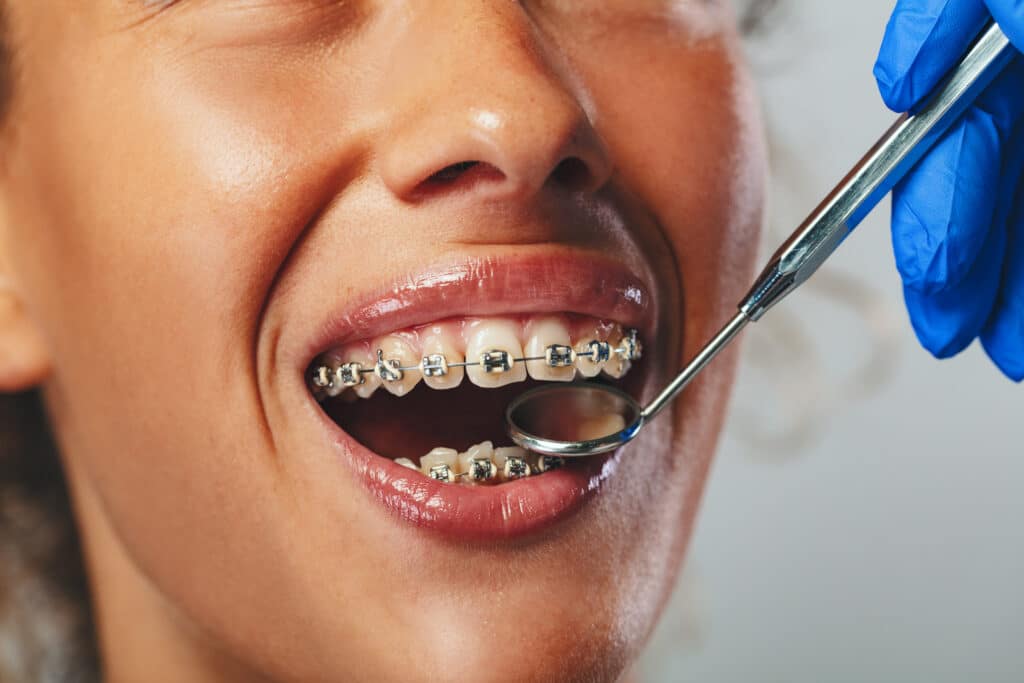
You went through the whole process. The brackets, the tightening appointments, the food restrictions, the years of wearing a retainer every night. And yet, somewhere between finishing treatment and now, you have started to notice your teeth do not look the way they did when the braces came off. Some crowding has returned at the front. Your bite feels slightly different. Maybe you can see it clearly in photos, or maybe it is just a feeling you cannot shake. Whatever the case, you are not imagining it, and it does not mean your orthodontic treatment failed.
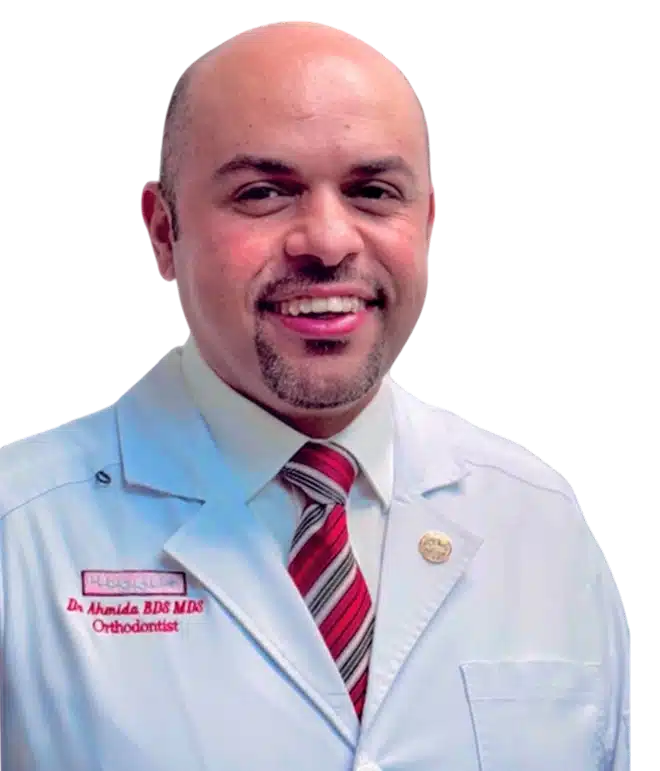
Experienced Orthodontist in Magnolia
At Magnolia Family Dental and Orthodontics, Dr. Ahmad Ahmida and his team see this situation regularly. Patients come in frustrated and confused, convinced something went wrong. The reality is more straightforward and far more manageable than most people expect.
Why Do Teeth Move After Braces Come Off?
To understand why teeth shift, it helps to understand what orthodontic treatment actually does to the jaw. Braces and aligners do not just move teeth through empty space. They move teeth through bone. The bone around each tooth softens slightly during treatment to allow movement, then gradually hardens again in the new position over time. This bone remodeling process takes longer than most patients realize, often continuing for a year or more after treatment ends.
During this remodeling period, teeth are in a vulnerable state. The periodontal ligaments, which are the small fibers connecting each tooth to the jawbone, have what researchers describe as a kind of positional memory. They retain information about where the teeth were before treatment and can exert gentle but persistent pressure to pull them back toward those original positions. This is normal biology, not a failure of the orthodontic work.
What is orthodontic treatment designed to account for this? That is precisely why retainers are prescribed the moment braces come off. A retainer holds the teeth in their corrected positions while the bone finishes hardening and the ligaments adapt to the new alignment. Skipping retainer wear during this window is the single most common reason patients experience noticeable relapse.
What Else Can Cause Teeth to Shift?
Retainer compliance is the most controllable factor, but it is not the only one. Several other causes can contribute to teeth shifting back after treatment, and understanding them matters especially if you wore your retainer consistently and still noticed movement.
Wisdom teeth are a more significant factor than most patients are told. As wisdom teeth push through in the late teens or early twenties, they can create pressure that travels through the dental arch and causes crowding at the front. This is particularly noticeable in the lower front teeth. Patients who had excellent retainer habits sometimes blame themselves for shifting that was actually driven by wisdom teeth movement happening underneath the surface.
Natural aging changes the jaw in subtle ways over a lifetime. The dental arch narrows slightly with age, jaws continue to grow and shift well into adulthood, and the soft tissues of the mouth exert ongoing pressure on teeth. Even patients who wear retainers every night for decades may notice minor positional changes over time. This is not treatment failure. It is biology.
Teeth grinding, jaw clenching, and habits like nail biting apply uneven pressure to teeth and can accelerate movement in specific areas. Gum disease, if left untreated, weakens the bone supporting teeth and can contribute to shifting independently of anything related to orthodontics. Missing teeth that were never replaced allow neighboring teeth to drift into the gap over time.
What Should You Do If You Notice Shifting?
The most important thing is not to wait. Early orthodontic treatment of relapse, meaning addressing shifting while it is still minor, is significantly simpler and less expensive than waiting until the movement becomes pronounced.
One thing to avoid is trying to force an old retainer back over teeth that have already shifted. This is a common instinct but it can cause real harm. A retainer that no longer fits correctly can put uneven pressure on teeth and gums and make the situation worse rather than better. If your retainer feels tight but still fits, wearing it consistently again may be enough to hold the current position and prevent further movement. If it no longer fits at all, a new assessment is needed before doing anything else.
For patients exploring types of orthodontic treatment to correct relapse, the options are genuinely good. Minor relapse involving small amounts of crowding often responds well to a new or adjusted retainer. Moderate shifting can typically be corrected with a short course of clear aligners in far less time than the original treatment required. More significant relapse may call for a full retreatment plan, but this is less common.
Patients looking for orthodontic treatment near me after noticing relapse often find that the correction phase is much quicker and more straightforward than their original treatment. The teeth have already been moved once, the bone has already responded, and the second journey tends to be faster.
How the Right Orthodontic Care Makes a Difference
Not all relapse cases are the same and the right approach depends entirely on how much movement has occurred, what caused it, and how long it has been progressing. Families across Magnolia choosing orthodontic treatment in Magnolia for relapse correction benefit most from a specialist who assesses the full picture before recommending anything.
A dentist in Magnolia who works alongside an orthodontic specialist can identify whether the shifting is purely retainer-related or whether another factor like wisdom teeth, grinding, or gum changes is driving the movement. Getting that distinction right determines whether the fix is simple retention or something more involved.
Fixed retainers, which are bonded permanently to the back of the lower front teeth, are worth discussing with any orthodontist after retreatment. They offer continuous protection without relying on patient compliance and are particularly useful for patients whose teeth have a strong tendency to shift.
Taking the Next Step
Noticing that your teeth have shifted is frustrating, especially after everything that went into getting them straight in the first place. But it is one of the most treatable situations in dentistry, and the earlier you address it the simpler the solution tends to be. Patients coming in from across the Spring, Tomball, and Woodlands areas often find that what felt like a significant problem needed far less intervention than they feared.
Dr. Ahmad Ahmida and the team at Magnolia Family Dental and Orthodontics will assess exactly what is happening with your teeth, explain your options clearly, and help you decide on the right course of action without any pressure. Our dentists are proudly serving patients around the Magnolia area and are here to make sure your smile stays the way you worked hard to get it. Book your consultation today and get the clarity you need.
Frequently Asked Questions
Why are my teeth shifting back after braces?
Teeth shift after braces because the bone and ligaments surrounding them take time to stabilize in their new positions. Without consistent retainer wear during this period, natural forces push teeth back toward their original positions. Other contributing factors include wisdom tooth pressure, aging, jaw changes, and grinding habits.
Can I fix orthodontic relapse without going through full braces again?
In many cases yes. Minor relapse often responds to a new or updated retainer. Moderate shifting can typically be corrected with a shorter course of clear aligners. Full retreatment is only necessary in more significant cases. A consultation will give a clear picture of what your specific situation requires.
Is it safe to put my old retainer back in if my teeth have shifted?
Not without checking with a dentist first. If the retainer still fits with minor tightness, wearing it again may be fine. If it no longer fits properly, forcing it back in can put harmful pressure on teeth and gums. Always get an assessment before attempting to use an old retainer on teeth that have visibly moved.
How long do I need to wear a retainer to prevent my teeth from shifting again?
The current standard recommendation is lifelong nightly retainer wear. The first year post-treatment is the highest risk period, but teeth can shift at any age due to natural changes in the jaw and soft tissues. Consistent long term wear is the most reliable way to maintain your results.