
Have you ever looked closely at your front teeth and noticed those little bumps on the edges? Those are called mamelons, and they’re a totally normal part of tooth development. But what exactly are they, and how do dentists deal with them, especially before and after a root canal? Let’s dive in!
What Are Mamelons?
Mamelons are small, rounded bumps of enamel that appear on the cutting edges of newly erupted teeth. They’re most commonly seen on the four front teeth (incisors) in both the upper and lower jaws. These bumps are formed during tooth development as the tooth pushes through the gumline.
Are Mamelons a Problem?
In most cases, mamelons are nothing to worry about. They usually wear down naturally over time as you chew and bite. However, in some cases, they may persist and become noticeable, especially in adults. This can be due to various reasons, such as late tooth eruption, misalignment, or an open bite.
Mamelons and Root Canal Therapy
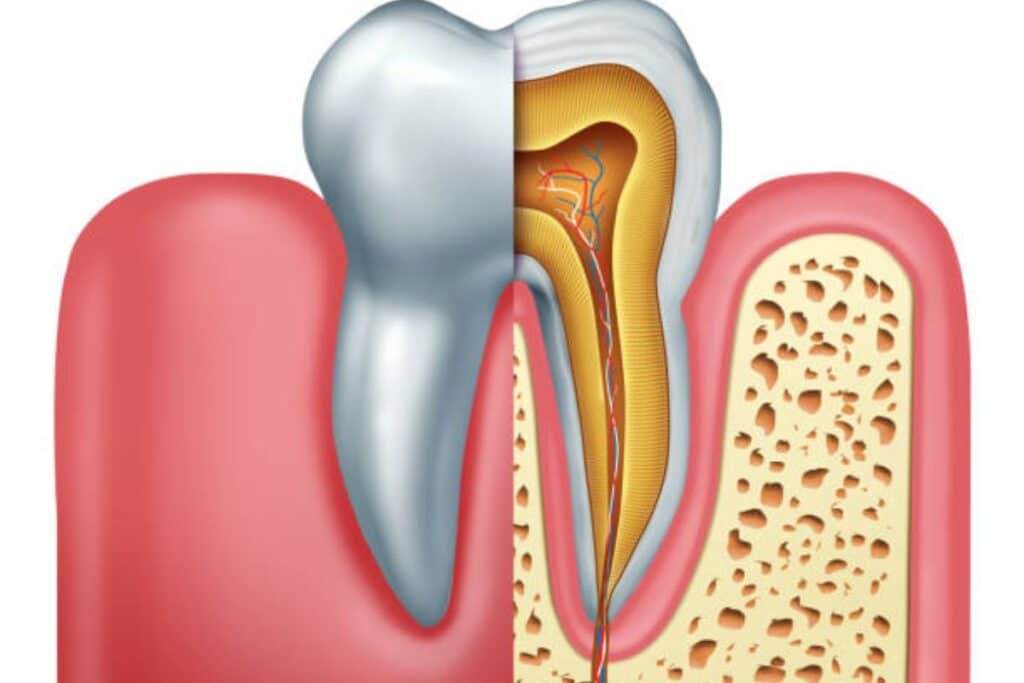
Now, here’s where things get interesting. Root canal therapy in Magnolia is a dental procedure to save a tooth with a damaged nerve. It involves removing the infected pulp, cleaning the root canals, and filling them with a special material. But what about those mamelons? Do they need special attention before or after a root canal?
The short answer is: it depends.
Before Root Canal Therapy
Before undergoing root canal therapy, your dentist will likely assess the overall health of your teeth, including any mamelons present. If the mamelons are prominent and causing any issues, such as sensitivity or difficulty with biting, your dentist may recommend removing them before the procedure. This can help ensure a better fit for the final restoration (crown or filling) and improve the overall appearance of your teeth.
Studies show that nearly 15 million root canals are performed each year in the U.S., according to the American Association of Endodontists (AAE). During this procedure, the dentist removes infected or damaged pulp from the inside of the tooth and then seals
After Root Canal Therapy
After a root canal, your dentist will likely place a temporary filling to protect the tooth while you wait for the permanent restoration. During this time, it’s important to avoid chewing on hard foods that could damage the temporary filling or the tooth itself. This includes foods like nuts, hard candy, and ice.
Once the permanent restoration is in place, any remaining mamelons can be addressed. If they’re still noticeable and bothering you, your qualified dentist in Magnolia can remove them using a simple procedure called mamelon reduction. This involves gently shaping the tooth to create a smoother, more natural appearance.
Mamelons and Orthodontics
If you’re considering orthodontic treatment (braces or aligners), it’s a good time to address any persistent mamelons. Orthodontic treatment can help correct misalignment and improve the bite, which can naturally wear down mamelons over time.
Conclusion
Mamelons are a normal part of tooth development, and they usually don’t require any special treatment. However, in some cases, they may need to be addressed, especially before or after a root canal. If you have concerns about your mamelons, be sure to talk to your dentist. They can assess your individual situation and recommend the best course of action.