
Let’s be honest, who doesn’t want a dazzling smile? But with countless teeth whitening products flooding the market, it can be tough to know what truly works. You’ve probably heard whispers about the magic of natural remedies like oil pulling and charcoal. But do these at-home hacks actually deliver on their promise of pearly whites?
We’re diving deep into the world of natural teeth whitening remedies, exploring the science behind them and uncovering the truth about their effectiveness. Buckle up, because we’re about to separate fact from fiction.
The Science of Stains
Before we delve into the remedies, let’s understand what causes those pesky stains in the first place.
Intrinsic Stains: These stains originate from within the tooth structure itself, often caused by:
- Medications: Certain antibiotics (like tetracycline) can discolor developing teeth.
- Trauma: Injury to the tooth can lead to internal staining.
- Excessive Fluoride: Overexposure to fluoride during tooth development can cause fluorosis, leading to white spots or streaks.
Extrinsic Stains: These are the most common type of stains and occur on the outer surface of the teeth. Culprits include:
- Coffee, Tea, and Red Wine: These beverages contain chromogens, which are pigments that bind to tooth enamel.
- Smoking and Tobacco Use: Nicotine and tar stain teeth, often leaving a yellowish or brownish discoloration.
- Poor Oral Hygiene: Inadequate brushing and flossing allow plaque to build up, which can stain teeth.
The Natural Teeth Whitening Showdown
Now, let’s put those natural remedies to the test:
- Oil Pulling: This ancient Ayurvedic practice involves swishing oil (typically coconut or sesame) around the mouth for several minutes. While proponents claim it improves oral health and whitens teeth, scientific evidence is limited.
The Verdict: Some studies suggest oil pulling may have mild antibacterial properties, which could indirectly benefit oral health. However, there’s no strong evidence to support its teeth-whitening claims.
- Activated Charcoal: This highly absorbent substance is often touted as a natural teeth whitener.
The Verdict: While charcoal can absorb some surface stains, it can also be abrasive and potentially damage tooth enamel. The American Dental Association (ADA) does not recommend using charcoal for teeth whitening.
- Baking Soda: This kitchen staple has mild abrasive properties that can help remove surface stains.
The Verdict: Baking soda can be an effective and safe option for occasional use when mixed with a small amount of water to form a paste. However, excessive use can erode enamel.
- Hydrogen Peroxide: This mild antiseptic can also help lighten stains.
The Verdict: Hydrogen peroxide can be effective for whitening teeth, but it should be used with caution and at low concentrations to avoid damaging enamel.
- Fruits Rich in Vitamin C: Fruits like strawberries and oranges contain vitamin C, which may help brighten teeth.
The Verdict: While vitamin C may have some mild whitening effects, relying solely on fruit is unlikely to produce significant results.
Teeth whitening Procedures
While some natural remedies may offer mild benefits for teeth whitening, they are often not as effective as professionally approved methods.
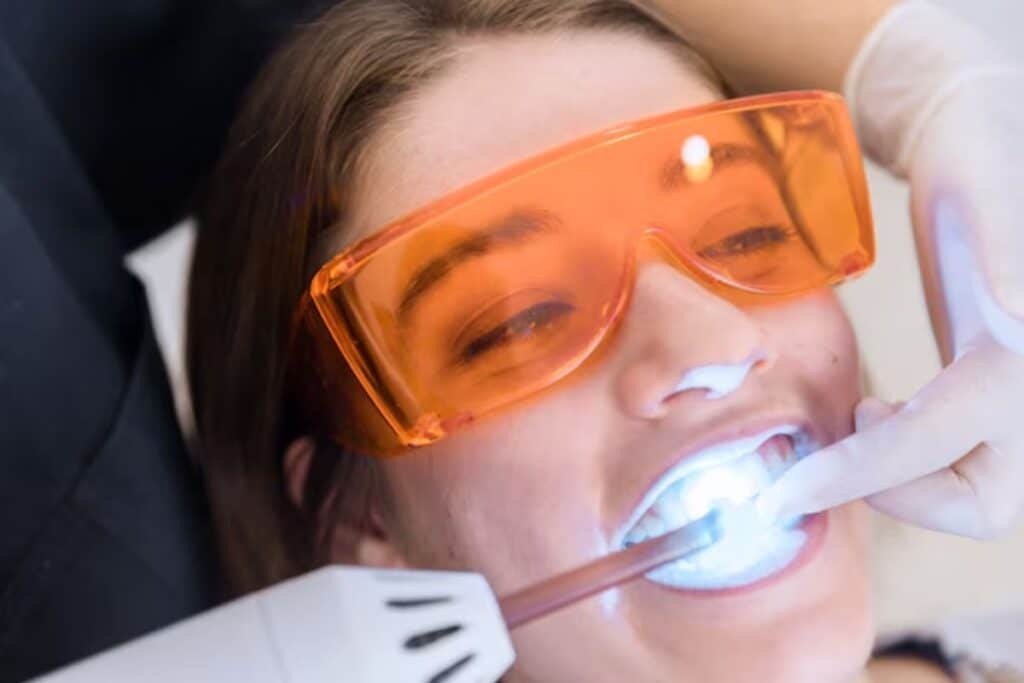
- Professional Teeth Whitening: In-office teeth whitening treatments using professional-grade bleaching agents offer the most dramatic and quickest results.
- Over-the-Counter Whitening Products: Whitening toothpaste, rinses, and strips containing low levels of hydrogen peroxide or other whitening agents can provide gradual whitening.
Tips for a Brighter Smile
Maintain Excellent Oral Hygiene: Brush twice daily with fluoride toothpaste, floss daily, and see your family dentist for regular checkups and cleanings.
Limit Stain-Causing Foods and Drinks: Cut back on coffee, tea, red wine, and smoking.
Use a Straw: When consuming dark-colored beverages, use a straw to minimize contact with your teeth.
Consider Professional Whitening: Discuss your options with your qualified dentist in Magnolia to determine the best approach for your individual needs.
Remember:
Always consult with your dentist before trying any new teeth whitening methods, especially if you have sensitive teeth, existing dental work, or any underlying health conditions.