
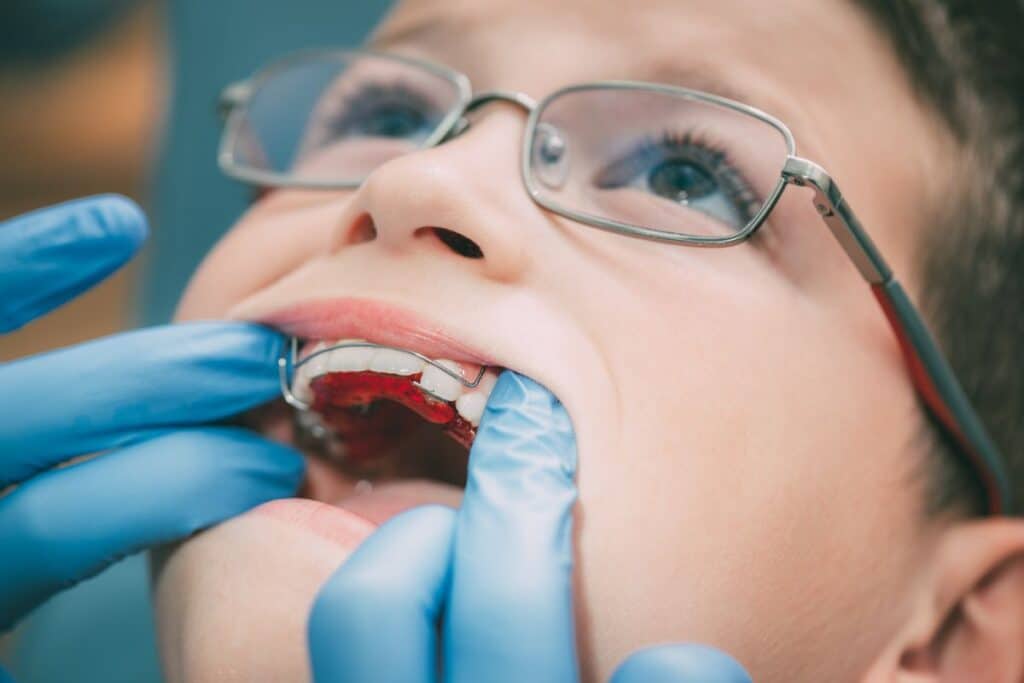
Ever wondered why your orthodontist insists on retainers after you’ve finally shed those braces? It’s not just a way to keep making money; it’s a crucial step to ensuring your teeth stay straight and beautiful for years to come.
Let’s dive into the world of retainers and discover why they’re so important.
Why Do Teeth Shift After Braces?
Imagine your teeth as a house. The braces act as construction workers, carefully moving and aligning them into place. Once the construction is complete, the house (your teeth) is structurally sound, but it’s still vulnerable to settling and shifting over time. This is where retainers come in. They act as a support system, preventing your teeth from reverting to their old, crooked ways.
According to a study published in the American Journal of Orthodontics, teeth can continue to shift for up to two years after orthodontic treatment is complete. This is especially true for patients who have had significant jaw misalignment or other complex orthodontic issues.
The Benefits of Wearing Retainers
Stability: Retainers help maintain the alignment of your teeth, preventing them from shifting or becoming crooked.
- Reduced Relapse: By wearing retainers as directed, you can significantly reduce the risk of relapse, which occurs when your teeth return to their original misaligned position.
- Improved Oral Health: Straight teeth are easier to clean, which can help prevent cavities and gum disease.
- Enhanced Self-Confidence: A beautiful smile can boost your self-esteem and confidence.
Types of Retainers
There are several types of retainers available, each with its own advantages and disadvantages. Here are a few common options:
- Fixed Retainers: These are thin wires bonded to the back of your upper or lower teeth. They provide the most stable retention but can be difficult to clean.
- Removable Retainers: These are plastic retainers that you can take out and put back in. They are more convenient but require more discipline to wear consistently.
- Essix Retainers: These are clear plastic retainers that are custom-made to fit your teeth. They are comfortable and virtually invisible.
How Often Should You Wear Retainers?
The frequency of retainer wear varies depending on individual factors, such as the severity of your original orthodontic problem and how well your teeth have responded to treatment.
Initially, your orthodontist may recommend wearing your retainers full-time. Over time, you may be able to reduce the frequency to wearing them at night or on a part-time basis.
According to a study published in the American Journal of Orthodontics, patients who wear retainers consistently for at least two years after orthodontic treatment are less likely to experience relapse.
Tips for Taking Care of Your Retainers
- Clean them daily: Use a soft-bristled toothbrush and a mild soap or denture cleaner.
- Store them in a case: When not in use, store your retainers in a case to protect them from damage.
- Avoid hot water: Hot water can warp plastic retainers.
- Get them checked regularly: Schedule regular check-ups with your qualified dentist in Magnolia to ensure your retainers are fitting properly and providing adequate retention.
Remember, wearing retainers is an investment in your long-term oral health and appearance. By following your orthodontist’s instructions and taking good care of your retainers, you can enjoy a beautiful smile for years to come.
Do you have any questions about retainers or orthodontic treatment? Feel free to leave a comment below.