
Blog Summary:
“This blog explores the less-talked-about side of teeth whitening—what happens when you go too far. You’ll learn how over-whitening your teeth can lead to enamel damage, tooth sensitivity, and gum irritation, and how to recognize early warning signs before things get worse. We’ll also discuss safe whitening habits, dentist-approved alternatives, and professional guidance to help you keep your smile bright and healthy.”
The Pursuit of the Perfectly White Smile
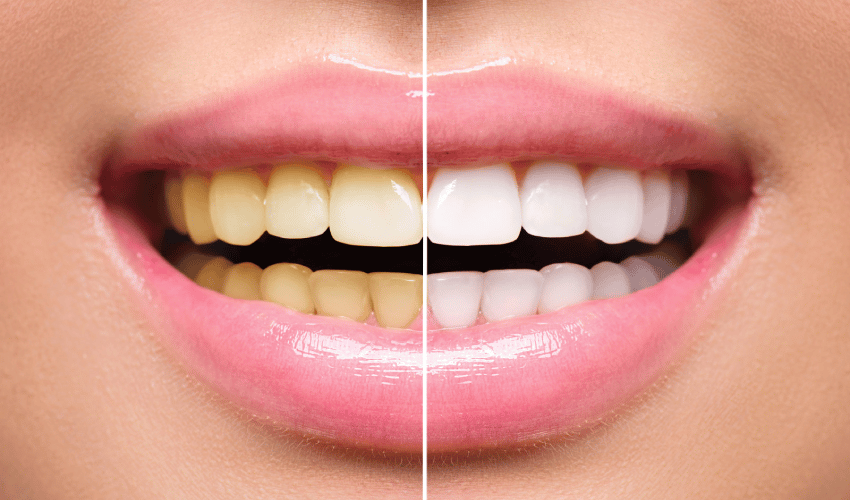
A bright, white smile has become a universal symbol of confidence and success. From social media filters to over-the-counter whitening kits, everyone seems to be chasing that perfect Hollywood grin. But in the rush to achieve dazzling teeth, many people are unknowingly crossing the line into over-whitening—a condition that can do more harm than good.
According to data shared by the American Dental Association (ADA), nearly 40% of adults who use at-home whitening products experience tooth sensitivity or gum irritation. While teeth whitening treatments are generally safe when used correctly, frequent or improper use can strip away enamel, leading to long-term dental issues that are difficult to reverse.
Let’s take a closer look at the effects of over-whitening your teeth and how to maintain a healthy balance between brightness and oral health.
1. What Is Over-Whitening and How Does It Happen?
Over-whitening occurs when you use whitening products—such as strips, gels, or trays—too often or for longer than recommended. These products contain bleaching agents like hydrogen peroxide or carbamide peroxide, which work by breaking down stains on the enamel. However, excessive use wears away that protective enamel layer, exposing the sensitive dentin beneath.
Common causes include:
- Using at-home whitening kits too frequently
- Layering multiple whitening products
- Ignoring professional guidance or recommended intervals between treatments
When done in moderation, whitening can safely brighten your smile. But when pushed too far, it becomes counterproductive—leaving your teeth weaker and more prone to damage.
Ready to Smile? Call Today!

Thanks so much for taking the time to learn more about the effects of over-whitening and how to protect your smile for years to come! At Magnolia Family Dental and Orthodontics, we believe that every patient deserves gentle, personalized care in a comfortable, family-friendly environment. Whether you’re visiting for a cosmetic treatment, routine cleaning, or a complete smile transformation, our dedicated team is here to make your experience positive and stress-free.
Your smile journey begins with a friendly conversation and a customized treatment plan designed around your needs and goals. So what are you waiting for? Let’s make your dream smile a reality—schedule your visit today!
Everyone here is great! Rocio did an amazing job with my deep cleaning and they made me whitening molds for my wedding which was so sweet! Definitely come here for your dental needs, they are amazing. – Cameron Davis
Don’t just take our word for it—see what our real patients are saying in their Google reviews. It’s easy to understand why so many families in Magnolia trust us for their dental care needs.
2. Warning Signs You’ve Gone Too Far
Recognizing the early symptoms of over-whitening can save you from lasting harm.
Look out for:
Increased Tooth Sensitivity: A sharp twinge when consuming hot or cold foods is a clear sign that your enamel is thinning.
Translucent or Blue-Tinted Teeth: Over-bleaching can make your teeth appear transparent at the edges instead of white.
Gum Irritation: Bleaching agents can inflame or burn your gum tissue if used excessively.
Chalky or Uneven Whitening: When enamel erodes unevenly, the whitening effect can appear blotchy or artificial.
If you experience any of these symptoms, it’s important to stop using whitening products and see your dentist immediately.
3. How Over-Whitening Your Teeth Affects Oral Health
While it may sound harmless, over-whitening your teeth can cause lasting damage to your mouth’s delicate ecosystem. Here’s what can happen over time:
Enamel Erosion: Enamel is irreplaceable. Once it’s gone, it doesn’t grow back. Excess whitening accelerates this loss, leaving teeth more vulnerable to decay and fractures.
Tooth Sensitivity: The exposed dentin layer beneath the enamel contains nerve endings, causing sharp pain and discomfort.
Gum Burns and Recession: Strong whitening agents can irritate the soft tissue, leading to gum recession or chronic inflammation.
Weakened Tooth Structure: The internal microstructure of your teeth can degrade, reducing overall strength and resilience.
Ultimately, what begins as a quest for a brighter smile can lead to long-term dental complications that require restorative treatments like crowns or veneers.
Wondering why your teeth aren’t staying as white as you’d like after a whitening treatment? Your lifestyle choices might be to blame. Discover practical tips to keep your smile bright in our guide on maintaining teeth whitening.
4. Safe Whitening Habits for a Healthy, Bright Smile
If you want to whiten your teeth safely, moderation and professional supervision are key. Here’s how you can maintain a radiant smile without risking your oral health:
Follow Dentist Recommendations: Only whiten as often as your dentist suggests.
Stick to ADA-Approved Products: These meet safety standards and contain controlled levels of bleaching agents.
Avoid Overlapping Treatments: Don’t mix strips, trays, and toothpaste whitening methods simultaneously.
Maintain Oral Hygiene: Regular brushing, flossing, and routine dental checkups keep stains from building up naturally.
Limit Stain-Causing Foods: Reduce coffee, tea, red wine, and tobacco use.
Hydrate Frequently: Drinking water after meals helps wash away staining substances.
Remember—true smile beauty comes from health, not just brightness.
5. When to See a Professional
If you’re experiencing lingering sensitivity, uneven color, or gum irritation, it’s time to consult a dental professional. A dentist can assess enamel health, recommend desensitizing treatments, and guide you toward safer whitening options.
Professional whitening systems use custom trays and controlled peroxide levels, ensuring even results without harming enamel.
Dentists can also recommend alternatives such as microabrasion or composite bonding for tough stains that don’t respond well to traditional bleaching.
6. The Bottom Line: Balance Is Key
Whitening your teeth can instantly boost your confidence—but overdoing it can do the exact opposite. Like most cosmetic treatments, moderation is essential. Protect your enamel, follow professional advice, and remember that maintaining a naturally bright, healthy smile is far more attractive than chasing an artificial white glow.
Ready to Bring Back Your Natural Glow?
If you’ve experienced sensitivity, gum irritation, or dullness from over-whitening your teeth, don’t worry—help is available. At Magnolia Family Dental and Orthodontics, our team offers professional whitening solutions designed to restore brightness safely while protecting your enamel. Discover customized, gentle treatments that reveal your healthiest, most confident smile.