
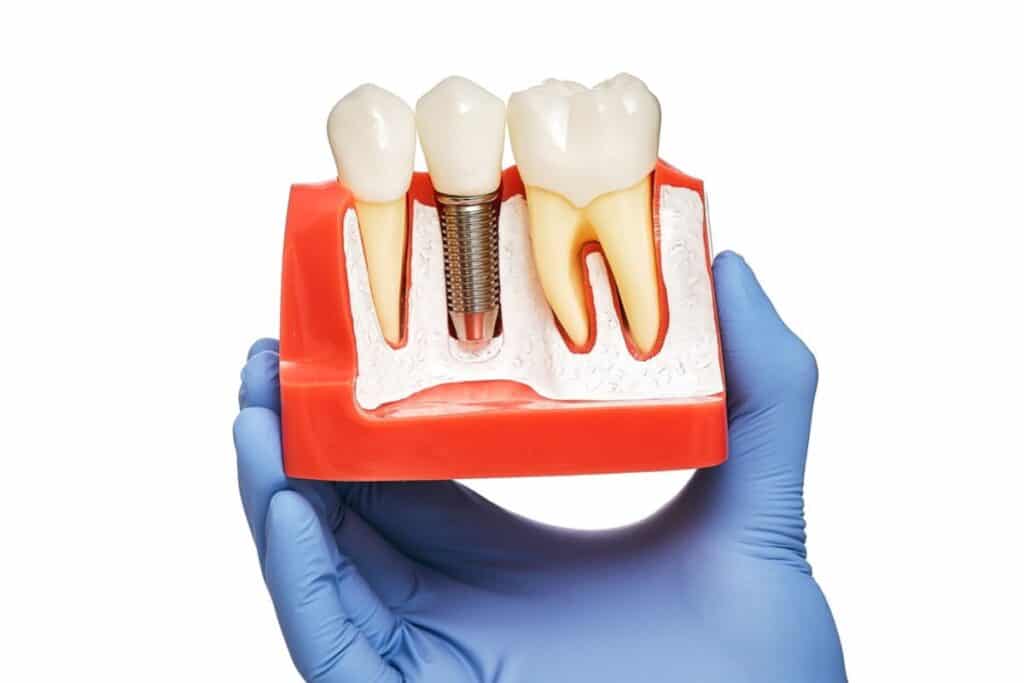
Alright, folks, you’ve taken the plunge! You’ve invested in a brighter, more confident smile with dental implants. Congratulations! But now, the real work begins: the recovery. And guess what? A huge part of that recovery hinges on what you put in your mouth. Yes, your diet plays a pivotal role. So, before you grab that juicy steak or crunchy apple, let’s talk about what’s safe and what’s a big no-no.
Ever wondered why your dentist stresses the importance of a soft food diet post-implant? Well, according to a study published in the Journal of Oral Implantology, approximately 95% of dental implants are successful. But that success rate can be significantly impacted by how well you care for your implants in the initial healing phase. And trust me, chewing on hard foods too soon is a recipe for disaster.
The First Few Days: A Soft Landing
Think of your mouth as a construction zone. It’s delicate and needs time to settle. In the first 24-48 hours, stick to a liquid diet. Think:
- Smoothies: Packed with nutrients and easy to swallow. Opt for non-acidic fruits like bananas and avoid seeds.
- Apple sauce: A classic for a reason. It’s gentle and provides some fiber.
- Broths and soups: Warm (not hot!) and comforting, providing essential hydration and electrolytes.
- Yogurt (smooth, no chunks): A great source of protein and calcium.
Why this soft approach? Well, studies show that post-operative swelling peaks within 48-72 hours, and chewing hard foods can exacerbate this. You want to minimize trauma and allow the implant site to heal undisturbed.
Moving On: Soft But Solid
After the initial few days, you can start incorporating slightly more substantial foods. But remember, “soft” is still the keyword. Here are some options:
- Mashed potatoes: A comforting and filling choice.
- Scrambled eggs: A great source of protein.
- Oatmeal (well-cooked): Provides fiber and helps with digestion.
- Fish (flaky and cooked thoroughly): A lean protein option.
- Avocado: Soft, nutrient-rich, and easy to eat.
Foods to Avoid: The “No-Fly Zone”
Now, let’s talk about the foods you need to avoid:
- Hard foods: Nuts, chips, hard candies, and ice can damage the implant site and cause pain.
- Chewy foods: Steak, caramel, and gummy candies can dislodge the implant or cause discomfort.
- Spicy foods: Can irritate the sensitive gum tissue.
- Acidic foods: Citrus fruits and juices can cause discomfort and slow healing.
- Small seeds and grains: These can get lodged in the implant site and cause infection.
- Alcohol and Tobacco: These substances slow down the healing process and increase the risk of complications.
Hydration is Key
Don’t forget the importance of staying hydrated. Water helps flush out toxins and keeps your mouth moist, promoting healing. Aim for at least eight glasses of water per day.
Listen to Your Dentist
Everyone heals at their own pace. If you experience any pain or discomfort, consult your qualified dentist in Magnolia immediately. They can provide personalized advice and ensure your recovery is on track.
Long-Term Success
Remember, your diet during the initial healing phase sets the stage for long-term dental implant success. By following these guidelines and listening to your dentist’s advice, you can ensure a smooth recovery and enjoy your new smile for years to come.
So, take it easy, stick to the soft stuff, and let your body do its amazing healing work. You’ve got this!