
Hey there! Feeling a little uneasy about a possible root canal? You’re not alone. The internet is buzzing with questions, and let’s be honest, sometimes the whispers can sound a little scary. But before you let those worries take root (pun intended!), let’s dive into the facts. We’re going to look at the real data and statistics to answer the big question:
Is a root canal safe? So, grab a cup of coffee, settle in, and let’s separate the myths from the realities.
The Root of the Matter: What Exactly Is a Root Canal?
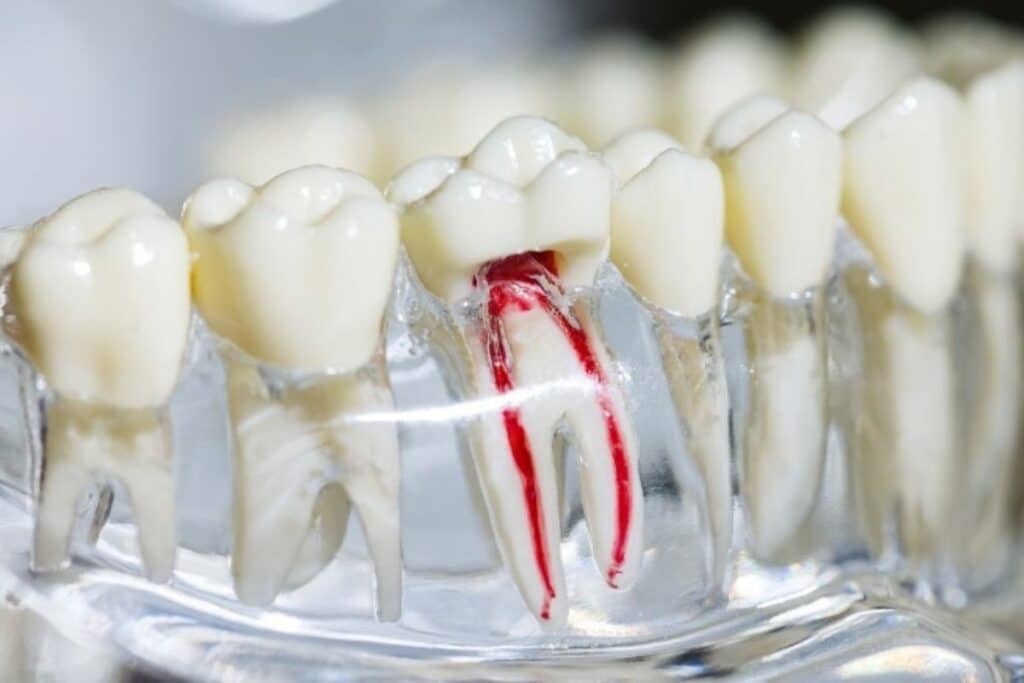
First things first, let’s clarify what a root canal involves. When the soft inner tissue of your tooth, called the pulp, becomes infected or inflamed (often due to deep decay, cracks, or injury), a root canal procedure is performed to save the tooth. Your dentist or endodontist (a root canal specialist) carefully removes the damaged pulp, cleans and disinfects the inside of the tooth, and then fills and seals it. Essentially, it’s a way to treat the infection and prevent the need for a tooth extraction.
Addressing the Safety Concerns: Digging into the Data
Now, let’s tackle the elephant in the (dental) room: safety. You might have heard some concerning things, but the overwhelming evidence points to root canals being a safe and effective procedure.
- High Success Rates: Studies consistently show high success rates for root canals. According to the American Association of Endodontists (AAE), root canal treatment has a success rate of over 97% in many cases. That’s a pretty strong track record! This means that the vast majority of treated teeth survive and function well for many years, often a lifetime.
- Low Complication Rates: Like any medical procedure, there are potential complications, but they are relatively rare. These can include infection, persistent pain, or the need for retreatment. However, advancements in techniques and technology have significantly minimized these risks. A study published in the Journal of Endodontics found that the incidence of post-operative complications after root canal treatment is generally low.
- Modern Techniques and Sterilization: Dentists and endodontists adhere to strict sterilization protocols to prevent infection during the procedure. They use advanced imaging techniques like digital X-rays and sometimes 3D cone-beam computed tomography (CBCT) to get a precise view of the tooth’s anatomy, enhancing accuracy and safety.
- Pain Management: Let’s be real, the thought of dental work can make anyone a little anxious. However, modern anesthesia is incredibly effective in making the root canal procedure virtually painless. You’ll likely experience more discomfort from the initial toothache than from the treatment itself. A survey by the American Dental Association (ADA) found that patients often report the procedure to be no more painful than getting a filling.
Debunking the Myths: Separating Fact from Fiction
One of the biggest safety concerns surrounding root canals stems from outdated and debunked theories linking them to systemic diseases. It’s crucial to understand that these claims have been thoroughly investigated and no scientific evidence supports a causal link between properly performed root canals and systemic illnesses. Major health organizations, including the American Heart Association and the National Institutes of Health (NIH), have refuted these claims.
The Alternative: What Happens If You Don’t Get a Root Canal?
It’s important to consider the alternative if a root canal is recommended: tooth extraction. While sometimes necessary, losing a natural tooth can lead to a cascade of other problems, including:
- Shifting of adjacent teeth: This can affect your bite and make cleaning more difficult.
- Difficulty chewing and speaking: Especially if multiple teeth are lost.
- Bone loss in the jaw: The jawbone needs stimulation from the tooth root to stay healthy.
- Impact on your smile and self-confidence.
In most cases, saving your natural tooth with a root canal is the most conservative and often the most cost-effective long-term solution for your oral health.
Root Canals Are Safe and Effective
So, to answer the initial question definitively: Yes, root canals are generally safe and a highly successful way to save a tooth that would otherwise need to be extracted. The statistics and data speak for themselves. While it’s natural to have concerns about any medical procedure, the evidence overwhelmingly supports the safety and efficacy of modern root canal treatment.
If your dentist has recommended a root canal, don’t let unfounded fears deter you. Talk openly with your qualified dentist in Magnolia about your concerns. They can explain the procedure in detail, address your questions, and provide you with the reassurance you need to move forward with confidence and protect your smile.