
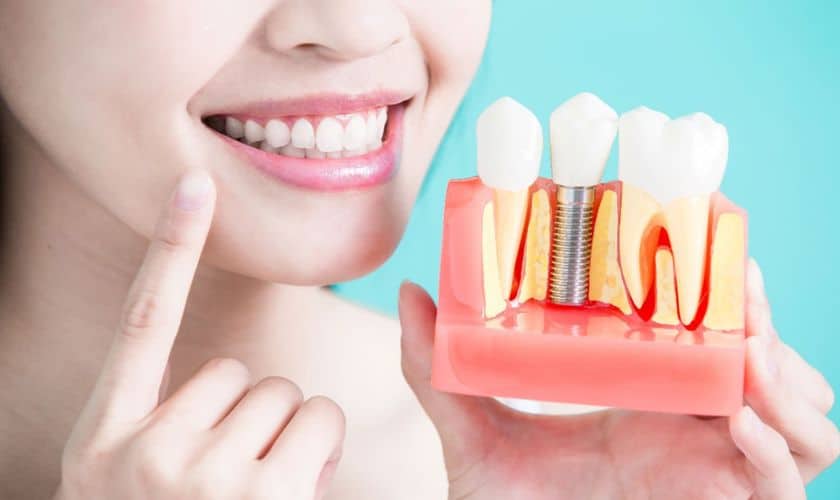
Have you ever lost a tooth or two? Perhaps you’re considering replacing them for aesthetic reasons, or maybe you’re struggling with chewing and speaking difficulties. Whatever the reason, dental implants have become a popular and effective solution for millions of people worldwide. But how exactly do these implants work, and what can you expect during the process?
According to the American Association of Periodontology, roughly 3 million dental implants are placed annually in the United States alone [AAAP]. That’s a staggering number, and it speaks volumes about the success and growing demand for this procedure.
If you’re curious about dental implants and whether they’re right for you, keep reading! This blog post will delve into the exciting world of dental implants, explaining the procedure step-by-step, highlighting the benefits, and addressing any lingering questions you might have.
The Marvel of Modern Dentistry: The Implant Itself
At the heart of the dental implant process lies a small, screw-like post, typically made of biocompatible titanium. This post acts as an artificial tooth root that’s surgically placed into your jawbone. Once in position, the implant fuses with the bone through a process called osseointegration [NCBI: osseointegration of dental implants ON National Institutes of Health (.gov) ncbi.nlm.nih.gov]. This creates a strong, long-lasting foundation for the replacement tooth, mimicking the natural function of a healthy root.
The Implant Journey: A Multi-Step Process
While the idea of surgery might sound daunting, the dental implant process is typically performed in stages, allowing for proper healing between each step. Here’s a breakdown of what you can expect:
Consultation and Planning: This initial stage involves a thorough examination by your dentist or oral surgeon. They’ll assess your jawbone health, discuss your goals, and create a personalized treatment plan. X-rays or CT scans might be required to determine the best placement for the implants.
Implant Placement: During this surgical procedure, local anesthesia or IV sedation is used for comfort. The area is carefully prepared, and a small incision is made in the gum tissue to access the jawbone. The implant post is then inserted and secured in the jawbone. Stitches might be used to close the incision.
Osseointegration: This crucial healing phase allows the jawbone to fuse with the implant. Depending on your individual case, this process can take anywhere from 3 to 6 months. Patience is key during this time!
Abutment Placement: Once the implant is firmly integrated, a second surgical step might be necessary. Here, a small connector piece called an abutment is attached to the implant, protruding slightly above the gum line. This abutment serves as the base for the replacement tooth.
Crown Placement: Finally, the artificial tooth, custom-made to match your surrounding teeth in size, shape, and color, is securely attached to the abutment. This is the moment you’ve been waiting for – your dazzling new smile!
The Benefits of Choosing Implants
Dental implants offer a plethora of advantages over traditional bridges or dentures. Here are some key benefits to consider:
Enhanced Stability and Function: Unlike dentures that can slip or become loose, implants are firmly anchored in the jawbone, mimicking the stability of natural teeth. This allows for improved chewing, speaking, and overall confidence.
Durability and Longevity: With proper care, dental implants are designed to last a lifetime, eliminating the need for frequent replacements like dentures.
Improved Oral Health: Implants help preserve jawbone health by stimulating bone growth around the implant site. This prevents bone resorption, a common problem with tooth loss.
Natural Appearance: Custom-designed crowns ensure a natural-looking smile that blends seamlessly with your existing teeth.
Considering Dental Implants? Ask Your Dentist!
The entire dental implant process can take anywhere from 6 to 12 months, depending on your individual situation and the complexity of the procedure. While it’s an investment, it’s important to remember that dental implants in Magnolia offer numerous benefits over traditional tooth replacement options. They can significantly improve your chewing ability, speech, and overall oral health.
Dental implants are not a one-size-fits-all solution, and the cost can vary depending on factors like the number of implants needed, the type of restoration, and your geographic location. Be sure to discuss the cost with your dentist beforehand to ensure it fits your budget.
If you’re looking for a permanent and natural-looking solution for missing teeth, dental implants might be the answer you’ve been waiting for. Talk to your dentist today to see if you’re a good candidate for this transformative dental treatment!