
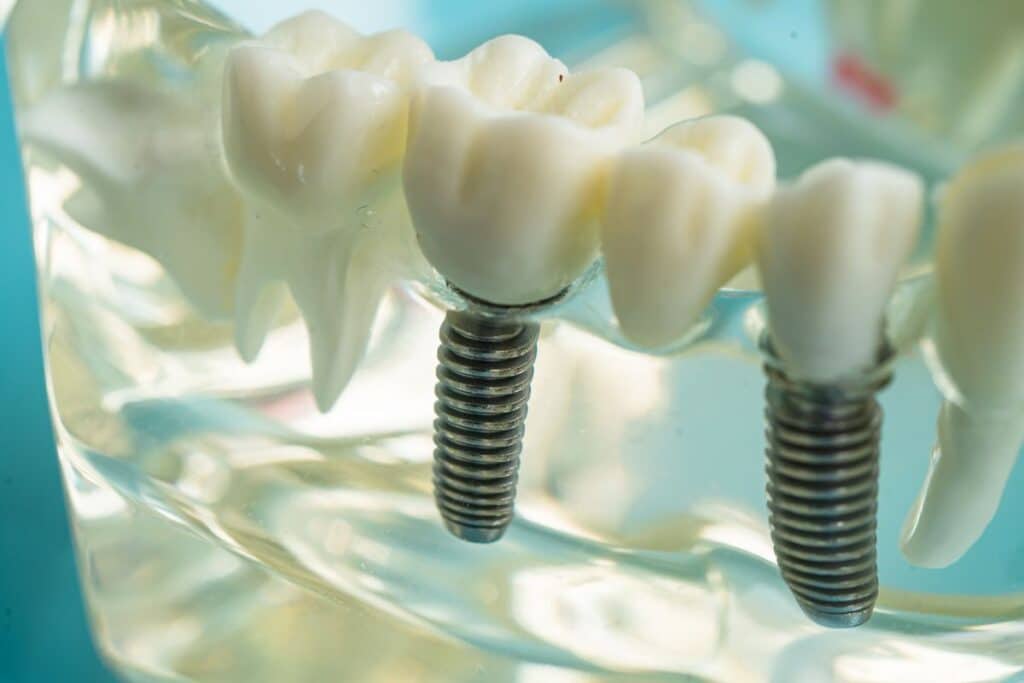
Getting dental implants can be an important step toward restoring your smile, but the first few nights after surgery may feel unfamiliar. You might notice swelling, tenderness, or mild discomfort that makes it difficult to settle into your usual sleeping position.
The good news is that a few simple adjustments can help you rest more comfortably while your mouth heals. If you’re preparing for dental implants treatment in Magnolia, understanding what to expect after the procedure can help you plan for a more comfortable recovery at home.
At Magnolia Family Dental and Orthodontics in Magnolia, TX, patients can discuss their treatment and aftercare questions with their dental team. Your specific recovery instructions may vary depending on the number of implants placed, whether additional procedures were needed, and your individual health.
Why Is Sleeping Difficult After Dental Implant Surgery?
Dental implant surgery involves placing a small implant into the jawbone. Some tenderness and swelling around the surgical site are common afterward, and these symptoms may make it harder to find a comfortable sleeping position.
You may experience:
- Swelling: The gums and surrounding tissues may become puffy after surgery.
- Tenderness: Pressure against your cheek or jaw can make certain positions uncomfortable.
- Minor bleeding or oozing: Some bleeding may occur during the early recovery period.
- Jaw stiffness: Keeping your mouth open during the procedure may leave your jaw feeling tired.
- An unfamiliar routine: Medication schedules, dietary changes, and aftercare instructions can interrupt your normal bedtime habits.
These symptoms generally improve as healing progresses, but the timeline varies. Your dentist can explain what is expected for your procedure and which symptoms require attention.
What Is the Best Sleeping Position After Dental Implant Surgery?
For many patients, sleeping on the back with the head elevated is a practical starting point during the first few nights.
1. Keep your head elevated
Use a wedge pillow or several pillows to support your head and upper body. A slightly elevated position may help limit swelling and make resting more comfortable.
Make sure your neck remains supported and that you can maintain the position without straining. If you have a medical condition that affects your sleeping position or breathing, ask your healthcare professional how to position yourself safely.
2. Try sleeping on your back
Back sleeping helps you avoid placing direct pressure on your cheeks and jaw. This can be especially useful if the surgical area feels tender.
If you normally sleep on your side, try arranging your pillows before bedtime so you are less likely to roll onto the operated area.
3. Avoid pressure on the surgical site
Sleeping directly on the side where the implant was placed may increase discomfort. If you cannot comfortably sleep on your back, ask your dentist whether resting on the opposite side is appropriate for your procedure.
There is no single sleeping position that suits every patient. Your dentist’s instructions should take priority, particularly if you have had multiple implants placed or additional surgery.
7 Practical Tips for Sleeping Comfortably After Dental Implant Surgery
1. Prepare your sleeping area before bedtime
Set up your pillows, water, prescribed medications, and other essentials before lying down. Keeping everything within reach can help you avoid unnecessary movement when you’re tired.
Choose a quiet, comfortable room and give yourself enough time to settle in without rushing.
2. Use a cold compress as directed
A cold compress applied to the outside of your cheek may help manage swelling during the early recovery period. Follow your dentist’s instructions about when to apply it and how long to leave it in place.
Never fall asleep with an ice pack or cold compress against your face. Remove it before going to sleep to avoid prolonged cold exposure or skin injury.
3. Follow your medication instructions
If your dentist recommends pain medication, take it exactly as directed. Ask when to take your next dose if you are unsure, and do not take extra medication simply because discomfort is interfering with sleep.
Check with your dentist or pharmacist before combining medications, particularly if you take prescription drugs or have other health conditions. Avoid alcohol when taking medications that may interact with it or cause drowsiness.
4. Eat a suitable dinner
Choose soft foods that require little chewing, such as yogurt, mashed potatoes, scrambled eggs, or lukewarm soup, if these fit your post-operative instructions.
Avoid foods that are hard, crunchy, sticky, or very hot when your dentist advises against them. Try to finish eating early enough to follow your normal bedtime routine without rushing.
5. Keep your mouth clean without disturbing the site
Good oral hygiene supports healing, but the surgical area may need special care immediately after the procedure. Follow your dentist’s instructions about brushing, rinsing, and any prescribed mouth rinse. For additional guidance on protecting your new implants during recovery, review these dental implants caring tips to understand how to maintain oral hygiene and care for your implants as they heal.
6. Avoid strenuous activity late in the day
Exercise, heavy lifting, and other strenuous activities may worsen bleeding or swelling during early recovery. Follow the activity restrictions provided by your dental team and give yourself time to rest.
Gentle, ordinary movement may be appropriate, depending on your instructions, but avoid returning to intense workouts before you have been cleared to do so.
7. Keep your bedtime routine simple
Discomfort can make it tempting to keep changing positions or checking the surgical area. Instead, arrange your pillows, dim the lights, and allow yourself time to relax.
If pain repeatedly wakes you or prevents you from resting despite following your instructions, contact your dental office for advice rather than trying to manage worsening symptoms on your own.
How Long Should You Sleep With Your Head Elevated?
Many patients find it helpful to keep their head elevated for the first few nights after dental implant surgery, especially while swelling is most noticeable. However, the appropriate duration depends on the procedure and your healing progress.
Your dentist may recommend maintaining an elevated position for several nights or longer if additional surgery was performed. You can gradually return to your usual sleeping position when it is comfortable and consistent with your post-operative instructions.
Do not force yourself into a position that causes neck pain or interferes with breathing. If you are unsure when to change positions, ask your dental team.
What Should You Avoid at Night After Implant Surgery?
A few precautions can make the early recovery period safer and more comfortable.
- Avoid sleeping face-down or putting pressure directly on the surgical area.
- Do not smoke or vape during recovery; these habits can interfere with healing.
- Avoid alcohol, especially when taking medications that interact with it.
- Do not use heating pads on your face unless your dental professional specifically recommends them.
- Avoid strenuous activity and follow any restrictions on bending or lifting.
- Do not change prescribed medication doses without professional guidance.
If you have received sedation, follow the instructions provided for supervision, driving, and other activities. Do not assume that you can safely resume your normal routine immediately after surgery.
When Should You Contact Your Dentist?
Some discomfort and swelling are expected after implant surgery, but symptoms should generally begin to improve rather than progressively worsen.
Contact your dentist promptly if you experience increasing pain, swelling that continues to worsen, persistent bleeding, fever, pus, or other symptoms that concern you.
Seek emergency medical care if you develop difficulty breathing or swallowing, or rapidly spreading swelling involving your face or neck.
If you have questions about dental implant recovery or are considering treatment, contact Magnolia Family Dental and Orthodontics in Magnolia, TX. You can also find our Magnolia dental office on Google for directions and office information.
Frequently Asked Questions
Can I sleep on my side after dental implant surgery?
It is generally preferable to sleep on your back with your head elevated during the initial recovery period. Avoid putting pressure on the surgical area. Ask your dentist when it is appropriate to return to side sleeping based on your procedure.
How many pillows should I use after dental implant surgery?
There is no fixed number. Use enough pillows or a wedge pillow to comfortably elevate your head and upper body while keeping your neck supported. Comfort and safe positioning matter more than the number of pillows.
Is it normal to have trouble sleeping after dental implant surgery?
Yes, temporary difficulty sleeping can occur because of tenderness, swelling, and changes to your usual routine. If discomfort is severe, worsening, or repeatedly prevents you from sleeping, contact your dentist for guidance.
When can I return to my normal sleeping position?
The timing varies depending on the extent of surgery and your recovery. Follow your dentist’s recommendations and return to your usual position when it is comfortable and permitted by your post-operative instructions.
What can I do if pain keeps me awake after implant surgery?
Follow your prescribed or recommended pain-management plan, keep your head comfortably elevated, and avoid putting pressure on the surgical site. Contact your dentist if pain is not controlled as expected or becomes worse.
Conclusion
Sleeping comfortably after dental implant surgery starts with a few simple habits: keep your head elevated, avoid pressure on the surgical site, follow your medication instructions, and give your body time to recover. Mild discomfort may temporarily interrupt your sleep, but worsening symptoms should not be ignored.
Every patient’s recovery is different, so follow the aftercare guidance provided for your procedure. If you are planning treatment or have questions about recovery, Magnolia Family Dental and Orthodontics in Magnolia, can help you understand what to expect and how to care for your new implants.
Contact the practice to discuss your dental implant needs and receive personalized guidance for your treatment and recovery.