
If you’re considering dental implants to replace missing teeth, one of the first questions you may have is, “How long do dental implants last?” Implant treatment is designed to provide a long-term replacement for missing teeth, but its durability depends on several factors, including oral hygiene, bone health, the quality of the restoration, and ongoing dental care.
Understanding what affects implant longevity can help you make informed decisions about your oral health. If you’re exploring teeth implants in Magnolia, learning how implants are maintained and what to expect over time is an important part of preparing for treatment.
Quick Answer
Dental implants can last for decades, and many remain functional for 10 years or longer. However, longevity varies from person to person. The implant post and the crown, bridge, or denture attached to it have different durability considerations. Proper oral hygiene, regular dental visits, healthy supporting bone, and avoiding damaging habits can help support long-term implant function.
There is no guaranteed lifespan for every dental implant, so your dentist should evaluate your individual circumstances.
How Long Do Dental Implants Typically Last?
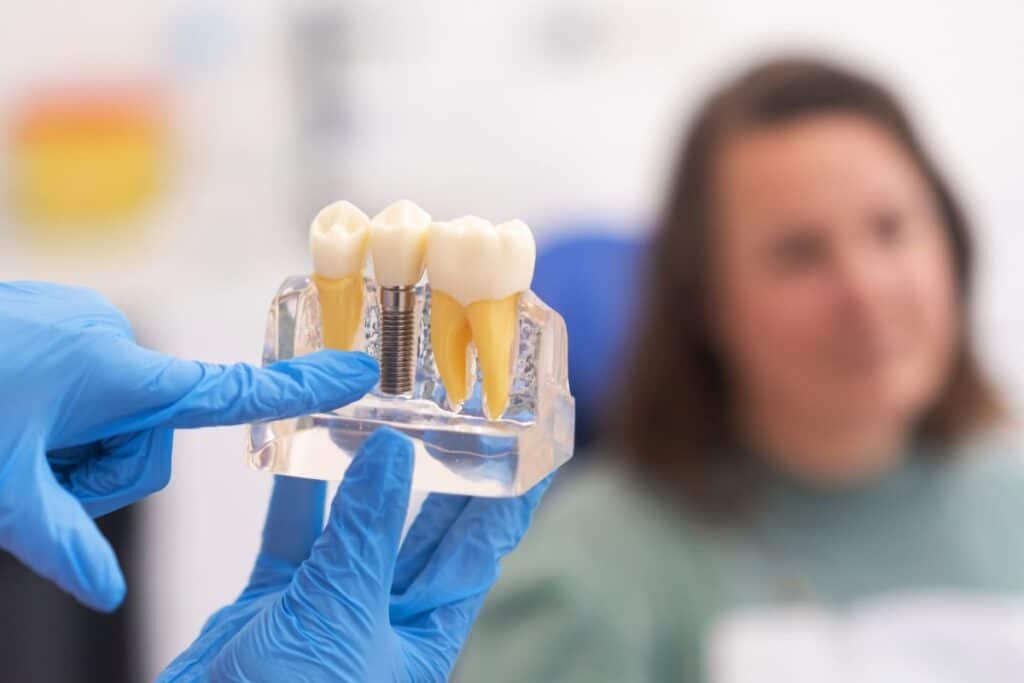
A dental implant consists of a post placed in the jawbone, an abutment that connects the post to the replacement tooth, and a restoration such as a crown.
The implant post is intended to remain in the jaw for the long term. The visible restoration, however, may experience wear or damage over time and could require repair or replacement.
Research on implant-supported restorations shows strong long-term survival outcomes, although results differ according to the type of restoration, patient characteristics, and follow-up period. For example, a review reported implant survival of approximately 95% at 10 years for implants supporting single crowns, while the crowns themselves had a lower 10-year survival rate. These figures describe study populations rather than a guarantee for an individual patient.
Implant Post vs. Dental Crown
It’s useful to distinguish between these two components:
- Implant post: The component anchored in the jawbone. Its long-term stability depends on factors such as bone support and the health of surrounding tissues.
- Dental crown: The visible tooth-shaped restoration. It may wear, chip, loosen, or require replacement even when the implant post remains stable.
This distinction helps explain why a dental implant can continue functioning while its attached restoration needs maintenance.
5 Factors That Affect Dental Implant Longevity
1. Oral Hygiene and Gum Health
Keeping your mouth clean is one of the most important steps in caring for dental implants. Plaque and bacteria can accumulate around the implant and surrounding gum tissue, potentially contributing to inflammation and peri-implant disease.
Peri-implantitis is an inflammatory condition that can involve bone loss around a dental implant. If it progresses, it may threaten implant stability.
Brush your teeth as recommended by your dental professional, clean between teeth and around implant restorations, and attend regular examinations. Your dentist or hygienist can recommend cleaning methods based on your restoration and individual needs.
2. Regular Dental Checkups and Maintenance
Dental implants are not maintenance-free. Routine appointments allow your dental team to examine the implant, surrounding tissues, and restoration.
Professional maintenance can help identify concerns before they become more serious. Your dentist may assess gum health, examine the implant restoration, review your cleaning routine, and recommend imaging when clinically appropriate.
Professional guidance generally recommends regular examinations, often at six-month intervals or more frequently for patients with increased risk. The appropriate schedule should be personalized to your oral health needs.
3. Bone Health and Implant Stability
Dental implants depend on the jawbone for support. During healing, the bone integrates with the implant surface through a process called osseointegration.
Adequate bone support and healthy surrounding tissues are important for long-term stability. Bone loss, inflammation, and other biological complications can affect the implant’s ability to remain securely supported.
Before treatment, your dentist evaluates your oral condition and determines whether additional procedures or a different treatment approach may be necessary. Ongoing monitoring is also important after the implant has been restored.
4. Smoking and Overall Health
Certain lifestyle and health factors can affect healing and long-term oral health.
Tobacco use can interfere with healing and is associated with increased risks in implant treatment. Conditions that affect healing or the body’s response to infection may also influence treatment planning and maintenance requirements.
This does not mean every person with a medical condition is automatically unsuitable for dental implants. Your dental professional can discuss your health history, medications, and individual risks before recommending treatment.
5. Teeth Grinding and Excessive Bite Pressure
Grinding or clenching your teeth, commonly known as bruxism, can place additional pressure on dental restorations.
Excessive force may contribute to wear, chipping, or mechanical complications involving the crown, abutment, or other components. If you grind your teeth, tell your dentist so they can assess your bite and discuss appropriate protective measures.
A properly planned restoration and regular monitoring can help identify mechanical concerns early.
How to Make Dental Implants Last Longer
Although no maintenance routine can guarantee a specific lifespan, consistent care can support implant health.
Follow These Practical Tips
- Brush regularly: Use a toothbrush and cleaning technique recommended by your dental professional.
- Clean between teeth: Ask about floss, interdental brushes, or other tools suited to your implant restoration.
- Attend scheduled checkups: Regular visits help monitor the implant and surrounding tissues.
- Avoid smoking: Discuss tobacco cessation if you use tobacco products.
- Report unusual symptoms: Tell your dentist about bleeding, swelling, discomfort, or changes in how your restoration feels.
- Protect your teeth: If you grind or clench, ask whether a customized protective appliance may be appropriate.
Your dental team can adjust your maintenance plan based on your oral health, risk factors, and the type of implant restoration you have.
When Should You Contact Your Dentist About an Implant?
Dental implants can function for many years, but new symptoms should not be ignored. Contact your dentist if you notice:
- Persistent swelling or bleeding around the implant.
- Pain or tenderness that does not improve.
- A loose crown, bridge, or other restoration.
- A change in how your bite feels.
- Difficulty chewing or discomfort around the implant.
- A noticeable change in the stability of the restoration.
These symptoms do not automatically mean that an implant has failed. They may have different causes, and a dental examination is needed to determine what is happening. Early assessment can help your dentist identify the concern and discuss appropriate treatment options.
Are Dental Implants Worth Considering for Missing Teeth?
For patients who have lost one or more teeth, dental implants may offer a long-term approach to tooth replacement. They can support individual crowns, bridges, or implant-supported dentures, depending on the patient’s needs.
However, the right treatment depends on factors such as the number of missing teeth, jawbone condition, oral health, medical history, and personal preferences.
If you want to understand the potential benefits and limitations of treatment, reviewing the advantages of dental implants can provide additional background before discussing your options with a dental professional.
Frequently Asked Questions About Dental Implant Longevity
1. Can dental implants last a lifetime?
Some dental implants remain functional for several decades, but lifetime success cannot be guaranteed. Longevity depends on factors such as implant health, bone support, oral hygiene, restoration condition, and individual risk factors. Your dentist can explain what may influence the expected outcome of your treatment.
2. How often should I visit the dentist after getting dental implants?
Many clinical guidelines recommend professional examinations at least every six months, with more frequent visits for patients who have additional risk factors or require closer monitoring. Your dentist will determine a suitable schedule based on your specific needs.
3. Can dental implants fail after many years?
Yes. Although dental implants are designed for long-term use, complications can develop after several years. Potential concerns include inflammation around the implant, bone loss, and mechanical problems with the restoration. Regular maintenance and professional assessment can help identify problems and guide treatment.
4. Does the dental crown last as long as the implant?
Not necessarily. The implant post and the attached crown are different components. The crown can experience wear, damage, or other complications while the implant post remains stable. If the crown needs replacement, the implant itself may not need to be removed.
5. How can I find out if dental implants are right for me?
A dental consultation is the appropriate starting point. Your dentist can evaluate your oral health, discuss your goals, assess bone support, and explain possible treatment options. If you’re considering dental implants in Magnolia, TX, a personalized evaluation can help you understand the next steps.
Conclusion
So, how long do dental implants last? They can remain functional for many years, including decades in some cases, but their longevity depends on individual health factors, treatment planning, and ongoing care. The implant post and the restoration may have different maintenance and replacement needs.
Good oral hygiene, regular dental checkups, and prompt attention to potential problems can help support long-term implant health. If you’re considering tooth replacement or have questions about maintaining existing implants, speaking with a qualified dental professional is an important step.
Magnolia Family Dental and Orthodontics provides dental care for patients in Magnolia, TX. You can see what our Magnolia patients are saying on Google and contact our team to schedule a consultation.