Hey there, smile enthusiast! Are you tired of hiding your pearly whites because of crooked or crowded teeth? You’re not alone! Millions of Americans struggle with this common dental issue. But the good news is, with advancements in orthodontic technology, achieving a picture-perfect smile is more accessible than ever.
In this blog post, we’ll dive deep into orthodontics, exploring the most effective treatment options to straighten those pearly whites. We’ll back up our information with data and statistics from reputable sources to ensure you have the knowledge to make informed decisions about your oral health.
Understanding the Issue: Crooked and Crowded Teeth
Crooked or crowded teeth can arise from various factors:
- Genetics: Inherited jaw size and shape can predispose individuals to overcrowding.
- Thumb-sucking and pacifier use: Prolonged habits can alter jaw development.
- Early tooth loss: The remaining teeth may shift to fill the space.
- Accidents or injuries: Trauma to the mouth can misalign teeth.
The Impact of Crooked Teeth
Beyond aesthetics, crooked teeth can have significant consequences:
- Difficulty chewing and speaking: Misaligned teeth can interfere with proper bite function.
- Increased risk of cavities: Food particles can get trapped, leading to decay.
- Jaw pain and headaches: Sometimes, misaligned bites can strain jaw muscles.
- Low self-esteem: Crooked teeth can negatively impact self-confidence and social interactions.
- Gum disease: Crowding can make it difficult to clean effectively, increasing gum disease risk.
Top Orthodontic Treatment Options
Now, let’s explore the most popular orthodontic treatments:
Traditional Braces
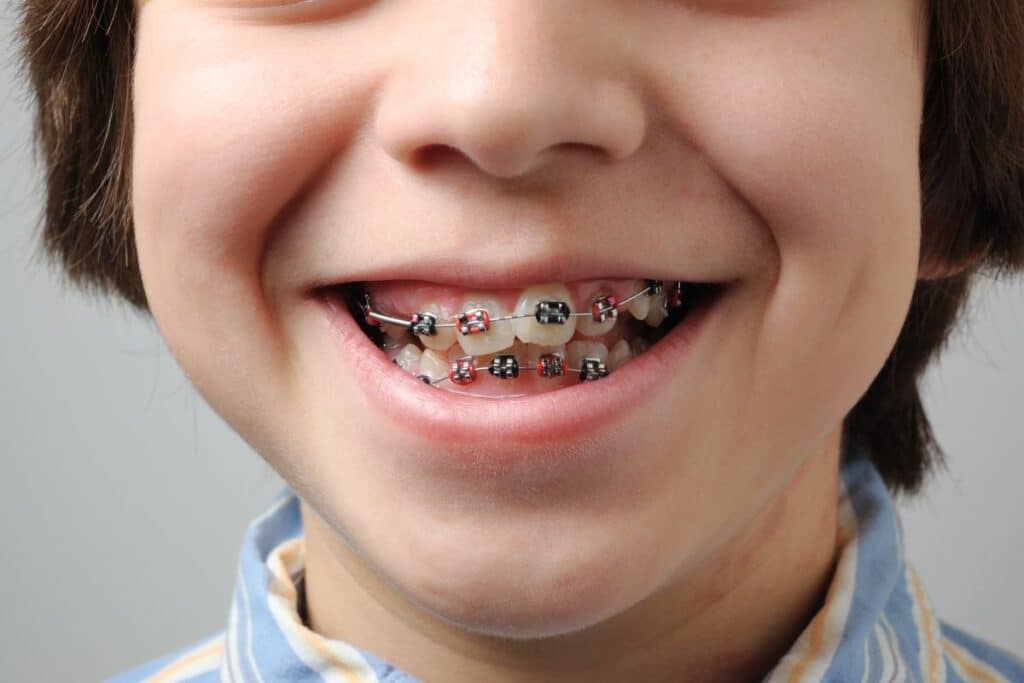
- How it works: Metal or ceramic brackets are bonded to the teeth and connected by wires to gradually shift them into proper alignment.
- Pros: Highly effective and often the most affordable option.
- Cons: Can be noticeable and may require dietary restrictions.
According to the American Association of Orthodontists (AAO), approximately 75% of orthodontic patients are treated with traditional braces.
Lingual Braces
- How it works: Brackets are attached to the back of the teeth, making them completely invisible.
- Pros: Discreet and aesthetically pleasing.
- Cons: Can be more uncomfortable than traditional braces, and may require more adjustments.
Invisalign
- How it works: A series of clear, removable aligners gradually move teeth into place.
- Pros: Virtually invisible, more comfortable than traditional braces, allows for easier cleaning.
- Cons: May not be suitable for all cases, and requires high patient compliance.
Invisalign has grown significantly in popularity. In 2021, Align Technology, the manufacturer of Invisalign, reported a 22% increase in global case starts compared to the previous year.
Clear Correct
- How it works: Similar to Invisalign, uses a series of clear aligners to straighten teeth.
- Pros: Affordable alternative to Invisalign, comfortable and discreet.
- Cons: May not be suitable for complex cases.
Retainers
Worn after braces or aligners to maintain the achieved results.
- Types: Removable retainers (like clear retainers or Hawley retainers) and fixed retainers (bonded to the back of the teeth).
Choosing the Right Treatment for You
The best orthodontic treatment for you will depend on several factors:
- The severity of the misalignment: Mild cases may be suitable for Invisalign, while severe cases may require traditional braces.
- Lifestyle and preferences: Consider factors like age, comfort, appearance, and budget.
- Orthodontist’s recommendations: Your orthodontist will assess your specific needs and recommend the most appropriate treatment plan.
Finding the Right Orthodontist
Schedule a consultation: Meet with an orthodontist to discuss your concerns and get an orthodontic treatment plan.
Ask questions: Don’t hesitate to ask about experience, treatment options, costs, and payment plans.
Read reviews: Check online reviews and testimonials from previous patients.
Conduct a thorough examination: This may include X-rays and impressions of your teeth.
Maintaining Your Results
After completing your orthodontic treatment, it’s essential to wear a retainer as directed by your orthodontist. Retainers help to stabilize the newly achieved tooth positions and prevent relapse.
Conclusion
Crooked or crowded teeth can significantly impact your oral health, appearance, and self-confidence. However, with the advancements in orthodontic technology, achieving a beautiful, straight smile is more attainable than ever. By consulting with a qualified Magnolia dentist and exploring the various treatment options available, you can make an informed decision and embark on your journey to a healthier, happier smile.