
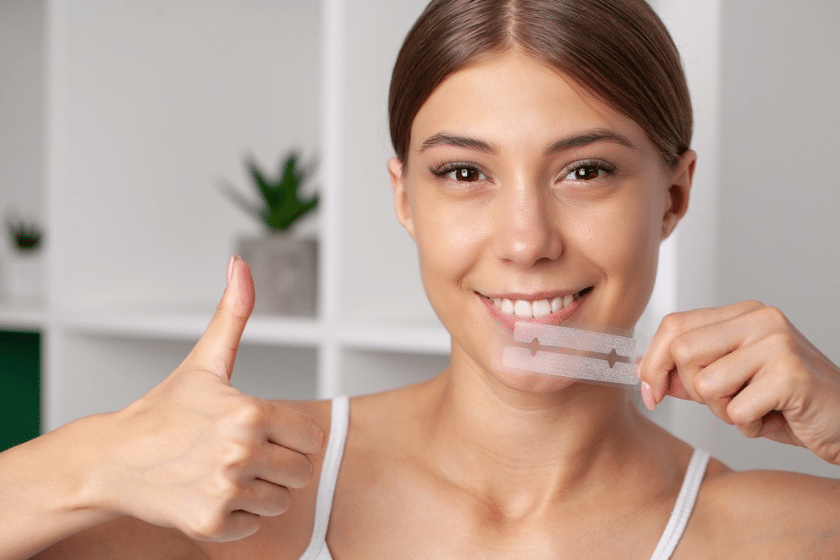
These days, it seems like every time you scroll through social media, someone is sharing a “miracle” natural teeth whitening trick. From DIY pastes to strange swishing rituals, it’s easy to believe that the natural way is always better—especially when influencers show off dazzling white smiles as proof. But here’s the truth: just because something is natural doesn’t mean it’s safe for your teeth.
In fact, many so-called “natural” whitening remedies can damage your enamel, increase tooth sensitivity, and even make your teeth look more yellow over time. Before you try that trendy hack, take a moment to learn the facts.
Five Common Myths About Natural Teeth Whitening
 Myth #1: Activated Charcoal Is Safe and Effective for Whitening Teeth
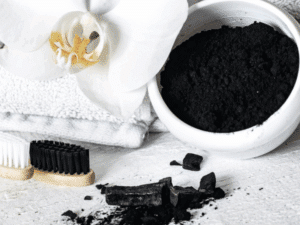
Activated charcoal is often promoted as a natural way to whiten teeth. It’s made from natural substances like coconut shells, peat, or wood and ground into a fine, black powder. Sounds harmless, right?
Wrong. There is no scientific evidence that activated charcoal is safe or effective for teeth whitening. In fact, the American Dental Association (ADA) has not approved it for this use. Why? Because charcoal is highly abrasive. When you scrub it onto your teeth, it can wear away your protective enamel—the part of your toot
h that makes it appear white. Once enamel is gone, it doesn’t grow back, and your teeth may look more yellow over time as the underlying dentin is exposed.
 Myth #2: Lemon Juice and Baking Soda Are Gentle on Teeth
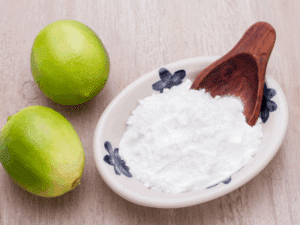
A popular at-home teeth whitening trick is mixing lemon juice with baking soda. The idea is that lemon juice “bleaches” your teeth while baking soda scrubs away stains. But here’s the reality: this combination is bad news for your enamel.
Lemon juice is very acidic and can erode your enamel quickly. Baking soda, while not as harsh as charcoal, is still abrasive. When used together, they create a damaging paste that can lead to enamel erosion, tooth sensitivity, and an increased risk of cavities.
Plus, the amount of baking soda needed to balance the acidity of lemon juice isn’t easy to measure—so it’s nearly impossible to use this combo safely. You’re better off using an ADA-approved whitening toothpaste or talking to your dentist about safer options.
ℹ️ You May Look For: Do Natural Teeth Whitening Remedies Actually Work?
 Myth #3: Oil Pulling Whitens Teeth
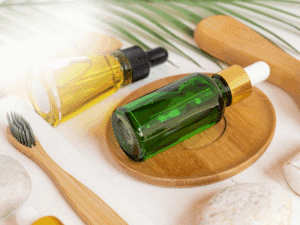
Oil pulling is an ancient practice that involves swishing oil (usually coconut oil) around in your mouth for 10 to 20 minutes. Supporters claim it helps remove bacteria and whiten teeth. But here’s the thing—there’s no solid scientific proof that oil pulling whitens teeth.
While oil pulling may improve your oral hygiene slightly by reducing some surface-level bacteria, it won’t change the natural color of your teeth. Any whitening effect you think you see is likely from better brushing habits or cutting back on stain-causing drinks like coffee and tea—not from the oil itself.
 Myth #4: Strawberries and Other Fruits Naturally Whiten Teeth
Fruits like strawberries are praised for their health benefits—but when it comes to teeth whitening, they don’t help. Some natural beauty bloggers recommend mashing strawberries and applying them to your teeth to “lift stains.” The problem? Strawberries contain both sugar and acid—a combination that can weaken enamel and promote decay.
Even if your teeth look cleaner at first, over time, this method can actually lead to more staining and damage. Don’t let the sweetness of fruit fool you into thinking it’s safe as a whitening solution.
Myth #5: Natural Equals Safe
This is one of the biggest misconceptions out there. Just because something is labeled “natural” doesn’t automatically make it safe for your teeth. Poison ivy is natural. So is arsenic. The truth is, many natural ingredients can be abrasive, acidic, or harmful to your enamel.
Instead of relying on untested home remedies, it’s always best to stick with treatments that are backed by dental professionals and approved by the ADA.
What’s the Best Way to Whiten Your Teeth Safely?
If you want a brighter smile, start with the basics:
- Brush your teeth twice a day with a fluoride toothpaste.
- Floss daily.
- Visit your dentist every six months for cleanings.
- Limit coffee, tea, wine, and tobacco use.
For noticeable whitening results, your dentist may recommend custom whitening trays or in-office treatments like Zoom Whitening. These options are safe, effective, and designed to protect your enamel while giving you a whiter smile.
Skip the Myths—Trust the Experts
If you’re serious about whitening your teeth, the best place to start is with your dentist. At Magnolia Family Dental and Orthodontics, we can guide you toward options that are safe, personalized, and actually work.
Don’t fall for the DIY hype—a healthy, white smile begins with facts, not fads. Ready to explore safe teeth whitening options? Book a consultation today and let our dental professionals help you shine.