
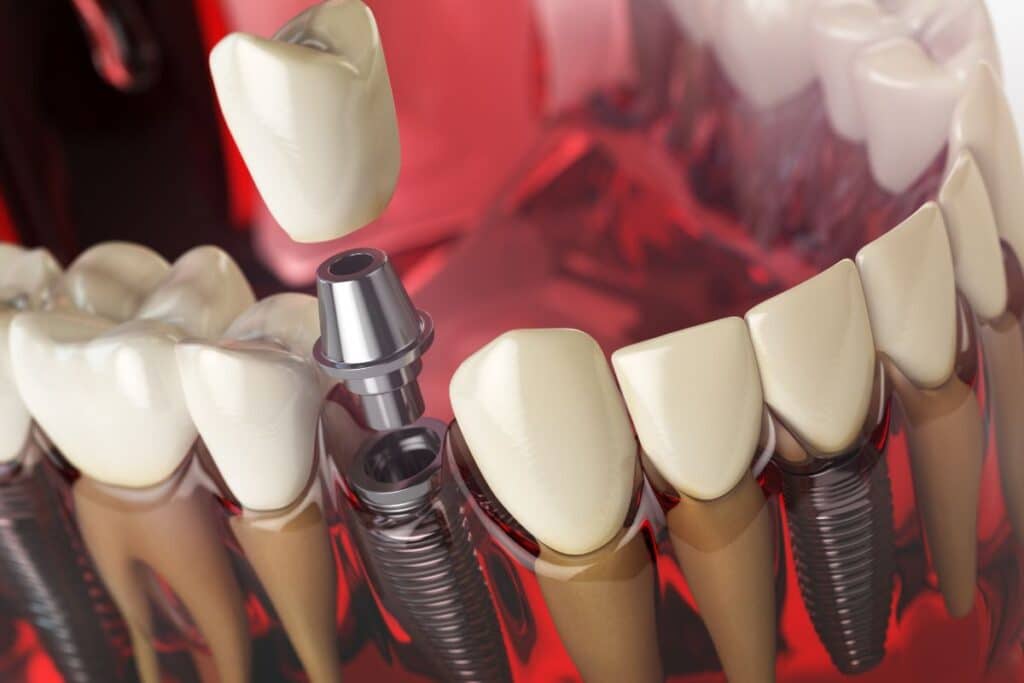
If you’re considering dental implants, it’s natural to wonder what happens after the procedure. Understanding dental implant recovery can help you feel more confident and prepared for a smooth healing process. While every patient heals differently, knowing what to expect each step of the way makes the recovery process much easier.
At Magnolia Family Dental and Orthodontics in Magnolia, TX, patients receive personalized care before, during, and after implant placement. Whether you’re replacing a single tooth or multiple teeth, following your dentist’s instructions is the key to a successful outcome. If you’re exploring dental implant treatment in Magnolia, understanding the recovery process is an important part of making an informed decision.
Quick Answer
Dental implant recovery typically takes several months, although most patients return to normal daily activities within a few days. Mild swelling, soreness, and minor bleeding are common immediately after surgery. Following your dentist’s aftercare instructions, maintaining good oral hygiene, and attending follow-up visits help promote proper healing and long-term implant success.
Understanding Dental Implant Recovery
Dental implants are designed to replace missing teeth with a strong, natural-looking solution. If you’re considering treatment but aren’t sure whether implants are the right option for you, learn about the Signs You Are a Good Candidate for Dental Implants to understand who benefits most from this long-term tooth replacement solution. Recovery involves more than just healing the gums the implant also needs time to bond with the jawbone through a process called osseointegration.
Most patients experience only mild discomfort after surgery, which usually improves within a few days. Complete healing, however, may take three to six months depending on your overall health, bone quality, and whether additional procedures such as bone grafting were needed.
What Happens Right After Dental Implant Surgery?
The first 24 to 48 hours are the most important part of your recovery.
You may notice:
- Mild swelling around the implant site
- Minor bleeding or slight oozing
- Tenderness or soreness
- Difficulty chewing hard foods
- Temporary jaw stiffness
These symptoms are normal and generally improve quickly with proper care.
Your dentist may recommend:
- Applying an ice pack during the first day
- Taking prescribed or over-the-counter pain medication
- Eating soft foods
- Avoiding smoking and alcohol
- Getting plenty of rest
Dental Implant Recovery Timeline
First 24 Hours
Your body begins forming a blood clot around the implant site. During this time, avoid rinsing vigorously, drinking through a straw, or touching the area with your tongue.
Days 2-7
Swelling typically peaks around the second day before gradually improving. Most patients feel comfortable returning to work within one to three days, depending on the complexity of the procedure.
Weeks 2-6
The gums continue healing, and discomfort should be minimal. You’ll gradually return to your normal diet while continuing excellent oral hygiene.
Three to Six Months
During this stage, the implant fuses with your jawbone. Once healing is complete, your permanent dental crown can usually be placed.
How to Make Dental Implant Recovery Easier
Healing successfully depends on following your dentist’s recommendations.
Eat Soft, Nutritious Foods
Choose foods that are gentle on the surgical area, including:
- Yogurt
- Smoothies
- Mashed potatoes
- Scrambled eggs
- Soup (cooled slightly)
- Applesauce
- Oatmeal
Gradually introduce firmer foods as your dentist advises.
Practice Excellent Oral Hygiene
Keeping your mouth clean reduces the risk of infection.
You should:
- Brush carefully around the implant
- Use any recommended antimicrobial rinse
- Floss as instructed
- Attend follow-up appointments
Avoid Tobacco Products
Smoking significantly slows healing and increases the chance of implant failure. Avoiding tobacco before and after surgery greatly improves recovery.
Follow Medication Instructions
Take antibiotics and pain medication exactly as prescribed. Never stop medications early without consulting your dentist.
Benefits of Following Proper Recovery Instructions
A successful recovery provides long-term advantages, including:
- Strong, stable dental implants
- Faster healing
- Lower risk of infection
- Better comfort during recovery
- Improved long-term oral health
- Higher implant success rates
Your commitment to aftercare plays an important role in protecting your investment.
Are There Any Risks During Dental Implant Recovery?
Dental implants have an excellent success rate, but every surgical procedure carries some risk.
Potential complications include:
- Infection
- Delayed healing
- Implant movement
- Nerve irritation (rare)
- Sinus complications for upper implants (uncommon)
Fortunately, these issues are uncommon when treatment is carefully planned and patients follow aftercare instructions.
Contact your dentist immediately if you experience:
- Heavy bleeding that doesn’t stop
- Severe pain after several days
- Fever
- Increasing swelling after day three
- Loose implant
- Pus or unusual discharge
Prompt treatment helps prevent more serious problems.
How Much Does Dental Implant Treatment Cost?
Dental implant costs vary depending on several factors, including:
- Number of implants needed
- Bone grafting requirements
- Tooth extractions
- Type of restoration
- Overall treatment complexity
Although implants may cost more initially than other tooth replacement options, they often provide excellent long-term value because of their durability and ability to preserve jawbone health.
Your dental team can provide a personalized treatment plan and explain financing options during your consultation.
Frequently Asked Questions
What is the normal recovery time for dental implants?
Most patients recover from the initial surgery within one to two weeks, while complete healing and fusion of the implant with the jawbone generally takes three to six months.
Is dental implant recovery painful?
Most patients experience mild to moderate discomfort for a few days after surgery. Pain is usually manageable with medication, ice packs, and following your dentist’s aftercare instructions.
What foods should I avoid after dental implant surgery?
Avoid crunchy, sticky, spicy, and very hot foods during the early healing period. Soft foods help protect the implant site while your gums begin to heal.
When can I return to work after getting a dental implant?
Many patients return to work within one to three days. If multiple implants or bone grafting were performed, your dentist may recommend allowing additional recovery time.
How do I know if my dental implant is healing properly?
Normal healing includes gradually improving comfort, decreasing swelling, and healthy gum tissue around the implant. Persistent pain, excessive swelling, or a loose implant should be evaluated by your dentist promptly.
Conclusion
Understanding dental implant recovery helps you prepare for every stage of healing and increases the likelihood of long-term implant success. By following your dentist’s instructions, maintaining excellent oral hygiene, and attending regular follow-up visits, you can enjoy a strong, healthy smile for many years.
If you’re considering dental implants or have questions about your recovery, schedule a consultation with Magnolia Family Dental and Orthodontics in Magnolia, TX. Our experienced team is here to guide you through every step of the process with personalized care and advanced treatment options.
Call us today at +1 2816975224 to schedule your appointment and take the next step toward restoring your confident smile.
Want to stay informed about helpful dental tips, office news, and real patient experiences? You can also see what local patients are saying and explore our latest Google updates before scheduling your next visit.