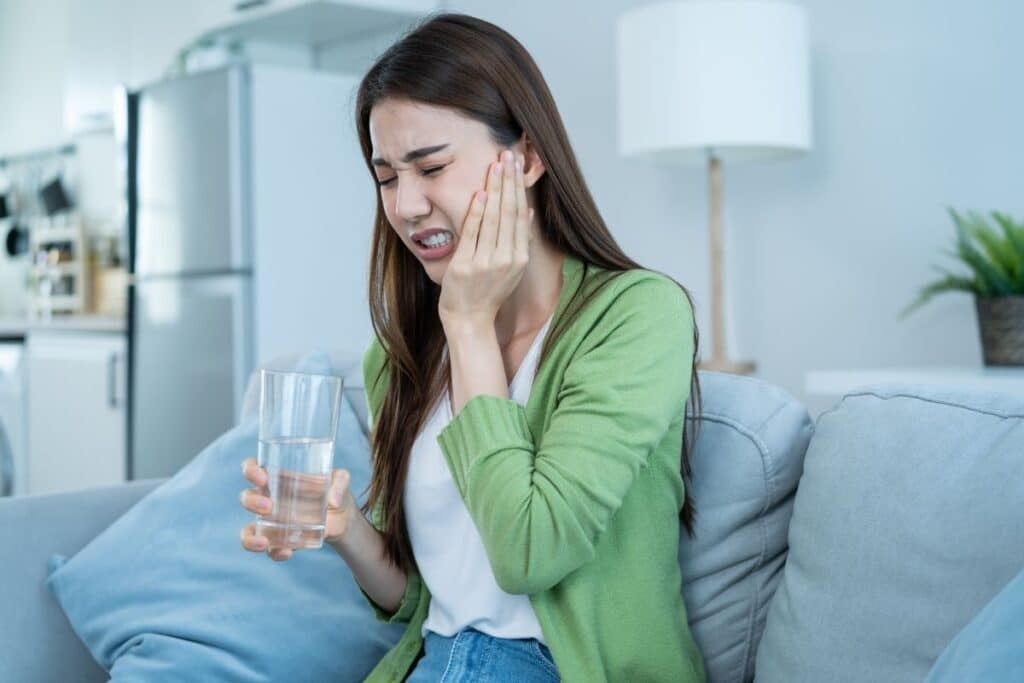
A dental emergency rarely arrives at a convenient time. A cracked tooth while eating dinner, a painful toothache over the weekend, or an injury during a game can quickly turn an ordinary day into a stressful one.
The good news is that many dental emergencies can be reduced by taking sensible precautions and addressing smaller dental problems before they become more serious. If you do experience an unexpected problem, knowing where to turn for emergency dental care in Magnolia can also help you respond promptly.
At Magnolia Family Dental and Orthodontics, patients in Magnolia, TX, can receive comprehensive dental care designed around their individual oral health needs.
Quick Answer: How Can You Prevent Dental Emergencies?
You can help prevent dental emergencies by maintaining good oral hygiene, attending regular dental checkups, avoiding hard objects and foods that can damage teeth, wearing a properly fitted mouthguard during higher-risk sports, addressing tooth pain or damage early, and protecting your teeth from unnecessary trauma. Not every emergency is preventable, but these habits can reduce avoidable dental problems.
1. Keep Up With Regular Dental Checkups
One of the simplest ways to help prevent dental emergencies is to stay consistent with routine dental care.
A small cavity, worn filling, cracked tooth, or other dental problem may not cause noticeable symptoms at first. Regular examinations give your dentist an opportunity to evaluate your teeth and gums and identify concerns that may need attention.
Preventive visits can also help you maintain good brushing and flossing habits and understand areas of your oral health that may need more attention.
Magnolia Family Dental and Orthodontics provides preventive and general dental services in Magnolia, TX, including examinations and dental cleanings.
The key idea: Don’t wait for severe pain before scheduling a dental appointment.
2. Don’t Use Your Teeth as Tools
Your teeth are designed to help you bite and chew food not open packages, tear plastic, cut tape, or hold objects.
Using your teeth as tools can place unexpected force on them and may contribute to chips, cracks, or other injuries.
Keep scissors, bottle openers, and other appropriate tools nearby instead. A few extra seconds of caution can help you avoid an unnecessary trip to the dentist.
3. Avoid Chewing Ice and Other Hard Objects
Chewing ice may seem harmless, but hard objects can put considerable pressure on teeth. The American Dental Association specifically advises against chewing hard objects such as ice cubes, pencils, and hard candy because they can contribute to chipped or cracked teeth.
Instead of crunching ice, allow it to melt in your drink. You should also avoid habits such as chewing pens, pencils, fingernails, or other non-food objects.
If you already have a weakened or damaged tooth, ask your dentist about the safest foods and habits for your particular situation.
4. Wear a Mouthguard During Sports
Sports and recreational activities can expose your teeth to accidental impacts. This is particularly important for activities involving contact, collisions, falls, or high-speed movement.
The ADA recommends properly fitted mouthguards for sports and recreational activities where there is a significant risk of dental or facial injury. Mouthguards can help reduce the incidence and severity of sports-related oral injuries.
A mouthguard can be especially useful for children and teens who participate in organized sports, but adults can benefit from appropriate protection as well.
If you or your child participates in sports, ask your dentist whether a custom or properly fitted mouthguard is appropriate.
5. Don’t Ignore Tooth Pain
A toothache is easy to dismiss when the discomfort comes and goes. However, pain can be a sign that something needs professional attention.
Tooth pain may be associated with decay, infection, a damaged restoration, trauma, or other dental problems. Waiting until the pain becomes severe may make the situation more difficult to manage.
If you notice persistent pain, unusual sensitivity, swelling, or discomfort when biting, contact your dental office for advice.
Early evaluation doesn’t necessarily mean you have a serious problem. It simply gives a dental professional the opportunity to determine what’s causing the symptom.
6. Take Care of Small Chips, Cracks, and Damaged Fillings
A minor dental problem can sometimes become an urgent one if it is ignored.
For example, a damaged filling or cracked tooth may become increasingly uncomfortable or vulnerable to further damage. A fracture can also expose more sensitive areas of the tooth.
If you notice that a tooth has chipped, cracked, or changed after an injury, don’t automatically assume that it will resolve on its own. Schedule an evaluation so a dentist can determine whether treatment is necessary.
7. Protect Your Teeth With Good Oral Hygiene
Preventive dental care starts at home.
Brush your teeth regularly with fluoride toothpaste and clean between your teeth to help remove plaque and food particles. The ADA recognizes brushing and interdental cleaning as important components of maintaining oral health.
Good oral hygiene doesn’t make you immune to dental emergencies, but it supports healthier teeth and gums and can help address common causes of dental problems before they become more complicated.
If you’re unsure whether you’re cleaning effectively, ask your dental team to demonstrate techniques that work for your specific needs.
8. Know What Counts as a Dental Emergency
Prevention also means knowing when a problem shouldn’t wait.
If you’re unsure whether your symptoms require urgent attention, reviewing these signs you need emergency dental care can help you understand when it’s time to contact a dentist.
Severe dental pain, significant swelling, uncontrolled bleeding, a knocked-out tooth, or a traumatic dental injury may require prompt professional evaluation.
When Should You Seek Immediate Help?
Contact a dentist promptly if you experience:
- Severe or persistent tooth pain
- Significant swelling around the mouth or face
- A broken or fractured tooth
- A knocked-out tooth
- Dental trauma after an accident
- Bleeding that does not stop
- Signs of a serious infection
If swelling is affecting breathing or swallowing, or you have a potentially life-threatening injury, seek emergency medical care rather than relying solely on a dental office.
What Should You Do If a Dental Emergency Happens?
Even with good preventive habits, accidents can happen.
If you injure a tooth, remain calm and contact your dentist for guidance. Avoid chewing on the injured area and don’t attempt to repair or reposition a damaged tooth yourself unless a dental professional specifically instructs you to do so.
For a knocked-out permanent tooth, prompt professional care is particularly important. Dental trauma can require timely evaluation, and the appropriate response can depend on the type and severity of the injury.
Having your dental office’s contact information saved in your phone can make it easier to act quickly when you’re stressed.
FAQs
Can regular dental visits really help prevent emergencies?
Regular dental visits can help identify problems such as decay, damaged restorations, or other concerns before they become more serious. They are an important part of preventive dental care, although no preventive strategy can eliminate every possible dental emergency.
What foods should I avoid to protect my teeth?
Avoid habits that place excessive force on your teeth, particularly chewing ice or very hard objects. If you have a known dental condition or restoration, your dentist can provide more specific dietary recommendations.
Do I need a mouthguard if I only play sports occasionally?
It may still be worthwhile. Dental injuries can occur during recreational activities as well as organized competition. The ADA recommends appropriate mouth protection for activities with a significant risk of oral injury.
Should I wait until tooth pain becomes severe?
No. Persistent or unusual tooth pain deserves attention. Contacting your dentist early can help determine what’s causing the discomfort and whether treatment is needed.
Can every dental emergency be prevented?
No. Accidents, falls, sports injuries, and other unexpected events can happen even when you take excellent care of your teeth. The goal of prevention is to reduce avoidable risks and address dental problems before they have an opportunity to become more serious.
Why Preventive Dental Care Matters in Magnolia, TX
For families in Magnolia, maintaining regular dental care can be a practical way to stay ahead of problems rather than reacting to them after they become painful.
Magnolia Family Dental and Orthodontics provides comprehensive dental services for patients of different ages and offers customized treatment options based on individual dental needs. The practice also welcomes new patients and emergency appointments.
If you’re choosing a dental office for your family, you can also see what patients are saying on Google to learn more about the practice.
Conclusion
You can’t prevent every dental emergency, but you can reduce many common risks.
Avoid using your teeth as tools, don’t chew ice or other hard objects, wear appropriate mouth protection during sports, maintain good oral hygiene, keep up with regular dental visits, and don’t ignore persistent pain or dental damage.
Most importantly, know who to contact if something unexpected happens. If you’re in Magnolia, TX, and experience a dental problem that requires prompt attention, Magnolia Family Dental and Orthodontics can evaluate your situation and discuss the appropriate next steps.
Don’t wait for a small dental concern to become a bigger problem. Contact Magnolia Family Dental and Orthodontics to schedule preventive care or ask about emergency dental treatment in Magnolia.