
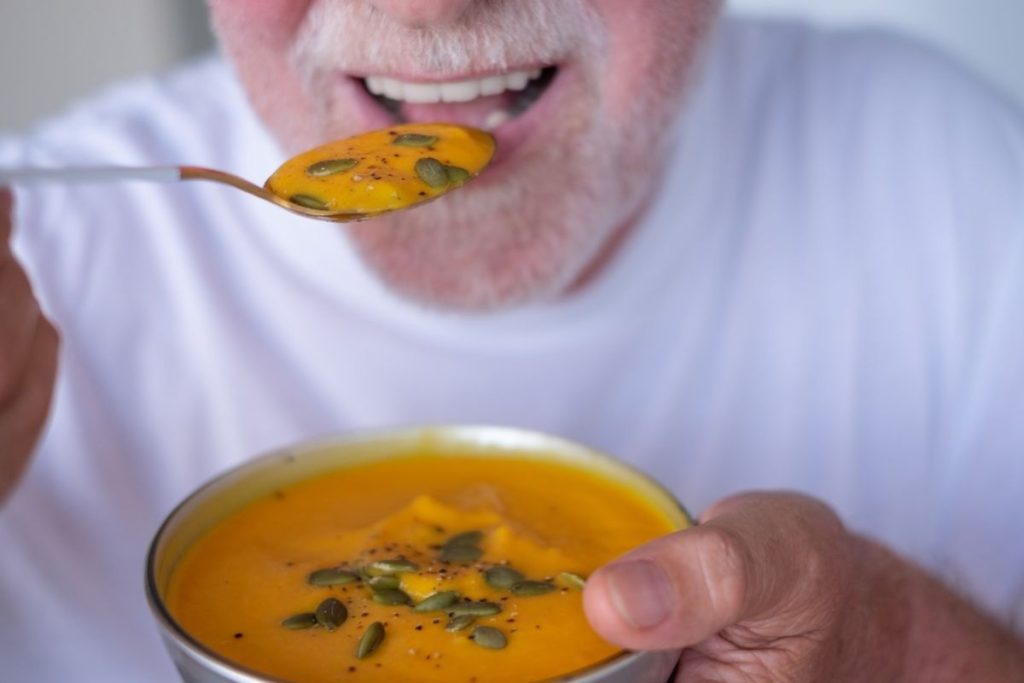
A root canal can help save a natural tooth and relieve discomfort caused by an infection or inflammation inside the tooth. However, what you eat afterward can make a difference in how comfortable you feel while recovering. Your treated tooth and surrounding tissues may be sensitive for a few days, making certain foods easier to manage than others.
Choosing soft, nutritious meals and avoiding foods that put unnecessary pressure on the treated tooth can make eating more comfortable. If you are preparing for or recovering from treatment, understanding your options for root canal care in Magnolia can also help you feel more confident about the procedure and the recovery process.
Whether you have recently undergone treatment or are planning one at Magnolia Family Dental and Orthodontics, knowing which foods to eat after a root canal can help you make practical choices during the healing period.
Quick Answer: What Foods Should You Eat After a Root Canal?
After root canal treatment, choose soft, nutritious foods that require minimal chewing. Good options include yogurt, scrambled eggs, mashed potatoes, oatmeal, smoothies without seeds, soft-cooked vegetables, and soups that are not too hot. Avoid hard, crunchy, sticky, and chewy foods until your dentist confirms it is safe to eat them comfortably.
Why Does Your Diet Matter After Root Canal Treatment?
Root canal treatment involves removing infected or inflamed tissue from inside a tooth, cleaning the root canals, and sealing the space. Although the procedure addresses the problem inside the tooth, the surrounding tissues may remain tender temporarily.
You might notice:
- Mild soreness when biting or chewing.
- Tenderness around the treated tooth.
- Sensitivity in the surrounding gum area.
- Discomfort when eating particularly hard or crunchy foods.
These symptoms can make ordinary meals less enjoyable for a short period.
Choosing appropriate foods helps reduce unnecessary chewing pressure on the treated area. A balanced diet also provides nutrients your body needs for normal tissue repair and overall health.
One important consideration is whether your tooth has received a permanent restoration or still needs a crown. Your dentist may recommend avoiding chewing on the treated tooth until the final restoration is placed.
7 Best Foods After Root Canal Treatment
You do not have to rely on liquids alone after a root canal. Many everyday foods are soft enough to eat comfortably while providing protein, vitamins, and other essential nutrients.
1. Yogurt
Plain yogurt is an easy option because it requires little to no chewing. It also provides protein and calcium, which support general nutritional needs.
Choose smooth yogurt without hard granola, nuts, or crunchy toppings. If cold foods make your tooth uncomfortable, allow the yogurt to warm slightly before eating.
2. Scrambled Eggs
Scrambled eggs are soft, filling, and easy to prepare. They provide protein, which plays an important role in normal tissue maintenance and repair.
Cook them until soft and avoid adding crispy bacon or other hard ingredients. You can also try a gently cooked omelet without crunchy fillings.
3. Mashed Potatoes
Mashed potatoes are a comforting meal option after dental treatment. Their smooth texture makes them easy to swallow without putting much pressure on your teeth.
Prepare them with milk or a little butter for a smoother consistency. Make sure they are warm rather than steaming hot.
4. Oatmeal
Soft-cooked oatmeal is another practical breakfast choice. It provides fiber and energy while requiring very little chewing.
Cook the oats until they become tender. Avoid adding nuts, seeds, or hard dried fruits that could irritate the treated area.
5. Smoothies
Smoothies can help you get fruits and other nutritious ingredients into your diet without chewing.
Consider blending:
- Bananas
- Soft berries without seeds
- Milk or yogurt
- Avocado
- Smooth nut butter, if tolerated
Avoid adding ice chunks, seeds, or crunchy toppings. If your dentist recommends avoiding suction after another procedure, follow those instructions rather than using a straw.
6. Soft-Cooked Vegetables
Vegetables provide vitamins, minerals, and fiber that contribute to overall health.
Good choices include:
- Steamed carrots
- Cooked spinach
- Soft zucchini
- Mashed sweet potatoes
- Well-cooked squash
Cook vegetables until they are tender enough to mash easily with a fork.
7. Soups and Broths
Soups are convenient when chewing feels uncomfortable. Options such as pureed vegetable soup, chicken soup with soft ingredients, and lentil soup can provide a variety of nutrients.
Let soups cool to a comfortable temperature before eating. Avoid very hot liquids, particularly if your mouth is still numb.
Foods to Avoid After a Root Canal
While choosing soft foods is helpful, knowing what to avoid is equally important. Certain foods can put pressure on the treated tooth or make discomfort worse.
| Food Category | Examples | Why to Avoid |
|---|---|---|
| Hard foods | Nuts, hard candy, ice | Can place excessive pressure on the tooth |
| Crunchy foods | Chips, popcorn, crackers | May irritate the area or require forceful chewing |
| Sticky foods | Caramel, toffee, chewing gum | Can pull against temporary dental restorations |
| Chewy foods | Tough meat, bagels, chewy candy | Require additional biting pressure |
| Very hot foods | Hot soup, steaming beverages | May increase discomfort when tissues are sensitive |
You should also be cautious with foods containing small hard pieces that could become trapped around the treated tooth.
Follow your dentist’s specific instructions, especially if you have a temporary filling or crown.
How Long Should You Eat Soft Foods After a Root Canal?
There is no single recovery timeline that applies to everyone. Your diet depends on the condition of your tooth, the type of restoration placed, and how comfortable you feel when chewing.
Here is a general guide:
First 24 hours: Choose soft foods and avoid chewing until the local anesthetic has completely worn off. Eating while your mouth is numb can increase the risk of accidentally biting your cheek, tongue, or lips.
Next few days: Gradually introduce other easy-to-chew foods if discomfort is improving. Continue avoiding hard, sticky, and crunchy foods.
Until your permanent restoration is placed: Be especially careful with the treated tooth. If a temporary filling is present, avoid putting unnecessary pressure on it.
Your dentist will let you know when it is appropriate to return to your regular diet.
Practical Tips for Eating Comfortably After Root Canal Treatment
Along with choosing the right foods, a few simple habits can make mealtimes easier.
- Chew on the opposite side: Whenever possible, avoid putting pressure on the treated tooth.
- Eat smaller portions: Smaller bites can make chewing more manageable.
- Choose moderate temperatures: Extremely hot or cold foods may trigger sensitivity.
- Stay hydrated: Drink enough water throughout the day.
- Maintain good oral hygiene: Brush gently and follow your dentist’s instructions for cleaning around the treated area.
- Avoid unnecessary pressure: Do not test the treated tooth by biting down on hard foods.
If you experience discomfort after eating, consider temporarily returning to softer foods.
For additional guidance on staying comfortable during recovery, read our article on how to manage pain after root canal therapy.
When Should You Contact Your Dentist?
Some tenderness after root canal treatment is normal, but certain symptoms should not be ignored.
Contact your dentist if you experience:
- Severe pain or pain that is getting worse.
- Swelling inside or outside your mouth.
- A bite that feels uneven after treatment.
- A temporary filling or crown that becomes loose or falls out.
- Pain that does not improve as expected.
Facial swelling accompanied by fever, difficulty swallowing, or difficulty breathing requires urgent medical attention.
Do not try to manage persistent or worsening symptoms through dietary changes alone. A dental professional can evaluate the area and determine whether additional care is needed.
FAQs About Eating After Root Canal Treatment
1. Can I eat immediately after a root canal?
It is best to wait until the numbness from local anesthesia wears off before eating. This reduces the risk of accidentally biting your cheek or tongue. Once sensation returns, choose soft foods and follow your dentist’s instructions.
2. Can I drink coffee after a root canal?
You can generally drink coffee once the numbness has worn off, provided it is not too hot. If your tooth feels sensitive, consider a lukewarm beverage instead. Avoid using temperature alone to judge whether your tooth has healed.
3. Are bananas good to eat after a root canal?
Yes. Ripe bananas are naturally soft, easy to chew, and provide energy and nutrients. You can eat them plain or blend them into a smoothie without hard ingredients.
4. Can I eat rice after root canal treatment?
Yes, soft, well-cooked rice is generally a suitable option. Make sure it is tender and not mixed with hard ingredients. Chew on the opposite side of your mouth if your treated tooth is still sensitive.
5. When can I return to my normal diet?
You can gradually return to your regular diet as tenderness improves and your dentist confirms that your tooth is ready. If you have a temporary restoration or still need a permanent crown, continue protecting the treated tooth until your dentist advises otherwise.
Conclusion: Choose the Right Foods for a More Comfortable Recovery
Recovering after root canal treatment does not mean giving up enjoyable meals. Simple choices such as yogurt, scrambled eggs, mashed potatoes, oatmeal, smoothies, and soft-cooked vegetables can help you maintain a balanced diet while minimizing pressure on your treated tooth.
Remember that food choices are only one part of recovery. Following your dentist’s aftercare instructions, maintaining oral hygiene, and completing any recommended permanent restoration are equally important.
At Magnolia Family Dental and Orthodontics, patients in Magnolia, can receive guidance on root canal treatment and the care needed afterward. If you have questions about your recovery or need professional dental attention, contact the practice to discuss your concerns.
If you are considering root canal treatment, take a moment to read reviews from our Magnolia patients to learn about their experiences with Magnolia Family Dental and Orthodontics.