
Losing a tooth can affect more than your smile. Over time, the jawbone beneath a missing tooth may begin to shrink because it no longer receives the stimulation normally provided by the tooth root. For people considering tooth replacement, this can raise an important question: Can you still get dental implants if you have bone loss?
The good news is that bone loss does not automatically mean dental implants are out of reach. Depending on the amount of bone available and your overall oral health, treatments such as bone grafting may help prepare your jaw for implant placement. Understanding your options is an important first step when exploring implant dentistry in Magnolia and deciding which tooth replacement approach may suit your needs.
Quick Answer: Can You Get Dental Implants If You Have Bone Loss?
Yes, many people with jawbone loss can still qualify for dental implants. The right approach depends on how much bone remains, its density, and its location. A dental bone graft or sinus lift may help rebuild areas with insufficient bone. However, severe bone loss or certain health conditions can make implant treatment more complicated, so a professional examination is necessary.
Why Does Jawbone Loss Happen After Losing a Tooth?
Your natural tooth roots do more than hold teeth in place. They stimulate the surrounding jawbone whenever you chew or bite. When a tooth is lost, that stimulation disappears, and the bone in that area may gradually deteriorate.
Several factors can contribute to jawbone loss:
- Missing teeth: Bone that no longer supports a tooth root can gradually shrink.
- Advanced gum disease: Periodontal disease can damage the tissues and bone supporting natural teeth.
- Long-term denture use: Traditional removable dentures do not replace tooth roots or provide the same stimulation to the jawbone.
- Dental infections: Certain untreated infections can damage the surrounding bone.
- Dental trauma: Injuries affecting teeth and surrounding structures may contribute to bone deterioration.
The amount of bone loss varies from person to person. It may also affect different areas of the upper and lower jaw differently.
How Does Bone Loss Affect Dental Implant Placement?
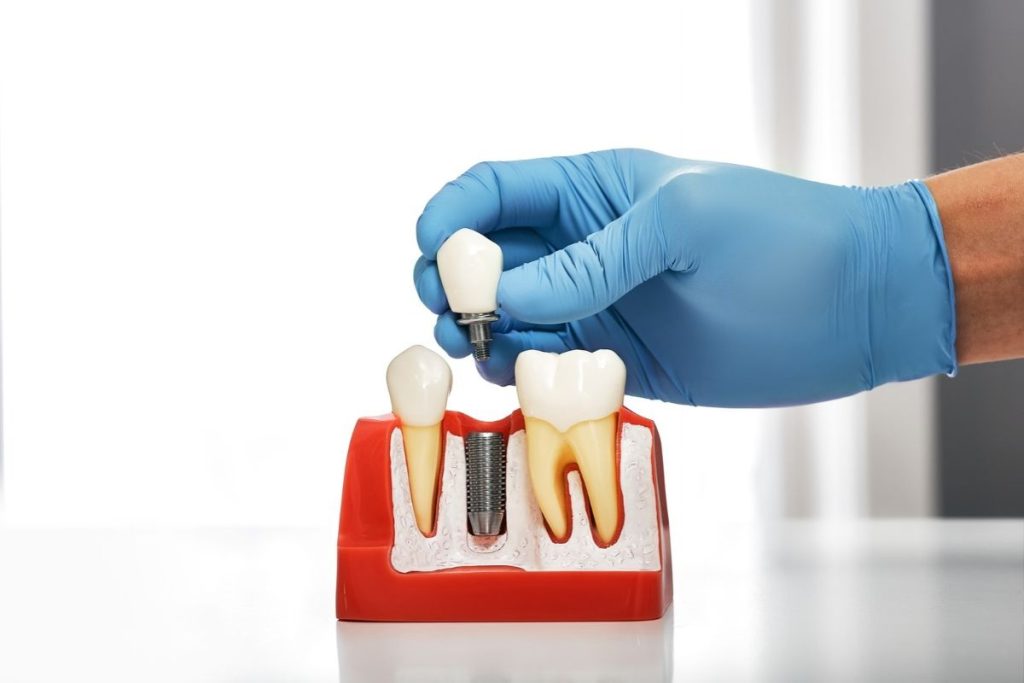
Dental implants are small posts, usually made from titanium, that are placed in the jawbone to replace missing tooth roots. After placement, the surrounding bone gradually bonds with the implant through a process called osseointegration.
This connection helps provide the stability needed to support a dental crown, bridge, or implant-supported denture.
When the jawbone is too thin, too short, or lacks sufficient density, it may not provide the support needed to hold an implant securely. Placing an implant without adequate bone support can increase the risk of complications or implant failure.
However, having less bone does not necessarily eliminate the possibility of treatment. Additional procedures may help create a more suitable foundation.
What Treatments Can Help If You Have Bone Loss?
The appropriate treatment depends on the location and extent of bone deterioration. Your dentist may discuss several approaches after evaluating your jawbone.
1. Bone Grafting
Bone grafting is a common procedure used to rebuild areas of the jaw where bone has been lost.
During this treatment, grafting material is placed in the affected area to support new bone formation. The material may come from different sources, including human donor tissue, animal-derived material, or synthetic substitutes.
As the area heals, new bone can develop around the graft material. Once sufficient healing has occurred, the jaw may be better prepared to support a dental implant.
Some patients need several months of healing before implant placement. In certain situations involving smaller grafts, the graft and implant may be placed during the same procedure.
2. Sinus Lift Procedure
People who have lost teeth in the upper back jaw may not have enough bone height for implant placement because of the location of the maxillary sinus.
A sinus lift, also called sinus augmentation, is a procedure that adds bone beneath the sinus floor to create additional support for an implant.
The procedure may be recommended when bone loss has reduced the available space for implant placement in the upper jaw.
3. Ridge Augmentation
Sometimes, bone loss causes the jaw ridge to become too narrow or irregular.
Ridge augmentation involves rebuilding the affected area with grafting material to improve its shape and volume. This may help create a more suitable foundation for dental implants.
Not every patient needs these procedures. Your treatment plan will depend on your individual anatomy and dental needs.
How Do Dentists Determine If You Have Enough Bone for Implants?
A proper evaluation is essential before recommending dental implant treatment.
Your dentist will generally consider several factors:
- Jawbone volume: Whether enough bone is available to support the implant.
- Bone density: Whether the bone has the strength and quality needed for stability.
- Gum health: Whether periodontal disease or inflammation needs treatment first.
- Overall health: Certain medical conditions and medications can influence healing.
- Oral hygiene habits: Maintaining healthy gums and teeth is important for long-term implant care.
Dental X-rays and, when appropriate, three-dimensional imaging such as cone beam CT scans can help evaluate the jawbone, nearby anatomical structures, and possible implant placement locations.
This information helps the dental professional determine whether an implant can be placed directly or whether additional treatment should come first.
Can You Prevent Further Bone Loss Before Getting Dental Implants?
Although existing bone loss cannot always be reversed without treatment, taking care of your remaining teeth and gums can help protect your oral health.
Consider these practical steps:
- Brush twice daily using a fluoride toothpaste.
- Clean between your teeth every day.
- Schedule regular dental examinations and professional cleanings.
- Seek treatment for bleeding gums, swelling, or signs of gum disease.
- Avoid tobacco products, which can interfere with healing.
- Discuss any medical conditions or medications with your dental provider.
- Ask about tooth replacement options rather than leaving missing teeth untreated indefinitely.
If you already have dental implants, following proper maintenance habits is essential for protecting your oral health. These practical tips to care for dental implants can help you maintain healthy gums, keep your implants clean, and support their long-term stability.
Is It Worth Getting Dental Implants After Bone Loss?
For many patients, dental implants remain worth considering even when some bone deterioration has occurred.
Unlike traditional bridges and removable dentures, implants replace the missing tooth root and transfer chewing forces to the surrounding jawbone. This can help reduce the bone changes associated with missing tooth roots.
However, implant treatment may involve additional procedures, healing periods, and expenses when bone grafting is necessary. The decision should consider your oral health, treatment goals, budget, and available alternatives.
A dental consultation can help you compare the benefits and limitations of implants, bridges, and dentures before making a decision.
FAQs About Dental Implants With Bone Loss
1. How much bone loss is too much for dental implants?
There is no single measurement that determines implant eligibility for everyone. The required bone volume depends on the implant’s size, position, and the surrounding anatomy. Some patients with substantial bone loss may still qualify after additional treatment.
2. Does everyone with bone loss need a bone graft before implants?
No. Some people have enough healthy bone to support implants without grafting. Others may need a minor or more extensive grafting procedure. Imaging and a clinical examination help determine the appropriate approach.
3. How long after a bone graft can I get dental implants?
Healing time varies depending on the size and location of the graft and the patient’s healing response. Some cases require several months before implant placement, while smaller grafts may allow a combined procedure.
4. Can gum disease cause problems with dental implants?
Yes. Active periodontal disease can increase the risk of complications around dental implants. Existing gum disease should be evaluated and treated before proceeding with implant treatment.
5. Can dental implants help prevent future jawbone loss?
Dental implants replace tooth roots and provide stimulation to the surrounding bone when chewing. They can help preserve bone in the area where they are placed, although they do not prevent bone loss throughout the entire jaw.
Explore Your Dental Implant Options in Magnolia
Having bone loss does not necessarily mean you have to give up on the possibility of restoring your smile with dental implants. Bone grafting, sinus augmentation, and other treatment approaches may help some patients become suitable candidates.
At Magnolia Family Dental and Orthodontics, patients in Magnolia, can explore tooth replacement options based on their dental needs and treatment goals. If you have been told that you lack sufficient jawbone for implants, consider scheduling an evaluation to discuss your options.
Taking the time to understand your jawbone health can help you make a more informed decision about restoring your smile and maintaining your oral health.