
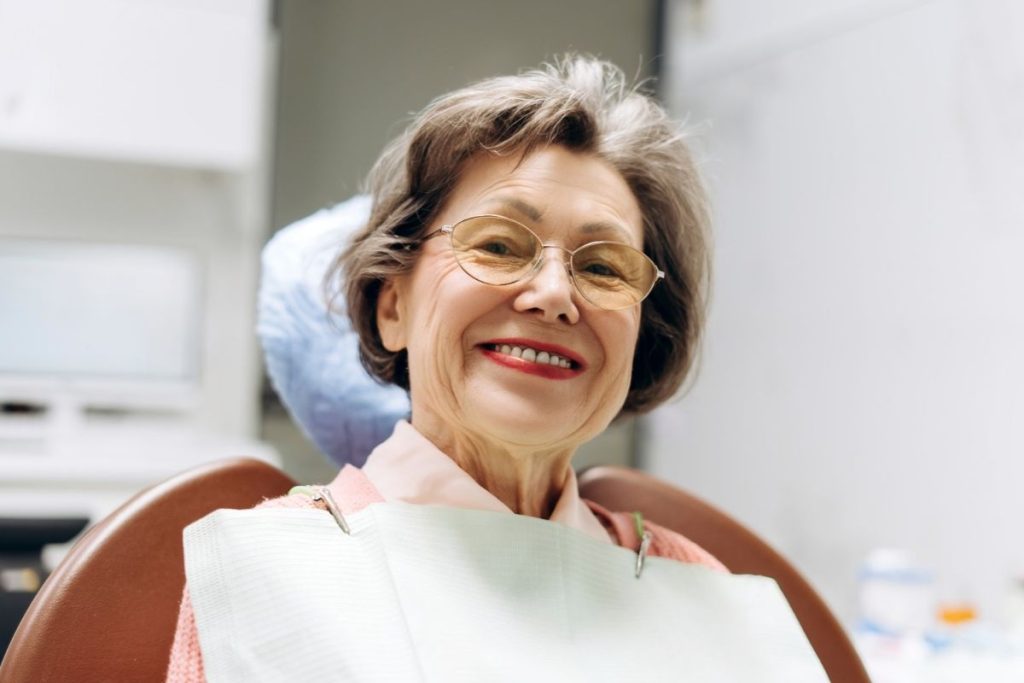
A person’s smile can change over time. Years of eating, drinking, brushing, and everyday wear can gradually affect the appearance of teeth. They may become darker, develop small chips, look shorter, or lose some of their original brightness. Even with consistent oral hygiene, these changes can become more noticeable with age.
The good news is that aging teeth do not necessarily mean you have to settle for a smile you no longer feel confident about. Modern cosmetic dental treatments offer several ways to address common appearance-related concerns. Depending on your dental health and personal goals, cosmetic dental treatment for aging teeth in Magnolia may help improve discoloration, uneven edges, worn surfaces, and other visible changes.
At Magnolia Family Dental and Orthodontics, understanding the condition of your teeth is an important first step in exploring which cosmetic options may be appropriate for your smile.
Quick Answer: Can Cosmetic Dentistry Improve Aging Teeth?
Yes. Cosmetic dentistry can improve the appearance of aging teeth by addressing stains, chips, worn edges, uneven shapes, and other visible concerns. Treatments such as professional teeth whitening, dental bonding, veneers, and crowns may help restore a brighter and more balanced appearance. The most suitable option depends on the condition of your teeth, existing dental work, and individual treatment goals.
Why Do Teeth Change in Appearance as We Age?
Teeth are naturally exposed to years of everyday use. Although good oral hygiene helps protect them, certain changes can gradually affect their appearance.
Here are some common reasons aging teeth may look different.
1. Yellowing and Discoloration
One noticeable change is that teeth may become darker or more yellow over time. Enamel, the hard outer layer of a tooth, can gradually wear down. As it becomes thinner, the naturally yellowish dentin underneath may become more visible.
Coffee, tea, red wine, tobacco, and certain foods can also contribute to surface staining. These factors may make teeth appear less bright than they once did.
2. Worn-Down Tooth Edges
Years of chewing and normal use can gradually wear down tooth surfaces. Teeth may begin to look shorter, flatter, or less uniform. Grinding and clenching can contribute to additional wear, sometimes affecting the overall balance of a smile.
3. Small Chips and Cracks
Older teeth may develop small chips or visible surface imperfections from everyday use, accidental injuries, or biting hard objects. Even minor changes can make the front teeth look uneven.
4. Receding Gums
Gum tissue may gradually recede, exposing more of the tooth root. Since root surfaces have a different appearance from enamel, this can create an uneven color along the gumline. Exposed roots may also be more vulnerable to decay and sensitivity.
5. Changes in Existing Dental Work
Older fillings, crowns, and other restorations may become discolored, worn, or less visually consistent with surrounding teeth. Replacing or repairing certain restorations may improve both appearance and function when clinically appropriate.
Which Cosmetic Dental Treatments Can Improve Aging Teeth?
There is no single treatment that works for every aging smile. A dentist will consider the condition of your enamel, gums, bite, and existing restorations before recommending an approach.
Some commonly considered options include the following.
1. Professional Teeth Whitening
Professional teeth whitening may be suitable for people whose primary concern is yellowing or surface discoloration.
Whitening products use bleaching ingredients to lighten natural tooth structure. Professional treatment allows the dentist to assess your teeth, consider existing sensitivity, and recommend an appropriate whitening approach.
It is important to understand that whitening does not change the color of crowns, veneers, or fillings. If you have visible restorations on your front teeth, your dentist can discuss how to achieve a more consistent appearance.
2. Dental Bonding
Dental bonding uses tooth-colored composite resin to improve the appearance of minor imperfections.
It may be considered for:
- Small chips along the front teeth.
- Minor gaps between teeth.
- Uneven or irregular tooth edges.
- Certain areas of discoloration.
- Small differences in tooth shape.
Bonding is generally less invasive than veneers or crowns, although the material can stain or wear over time. Its suitability depends on the size and location of the area being treated.
3. Porcelain Veneers
Veneers are thin, custom-made coverings placed over the front surfaces of selected teeth. They can change the appearance of tooth color, shape, size, and alignment.
For some patients with aging teeth, veneers may be an option when discoloration does not respond adequately to whitening or when several front teeth have visible chips or uneven shapes.
However, veneers are not appropriate for everyone. Traditional veneer placement usually requires removing some enamel, making the procedure irreversible. Healthy gums, adequate tooth structure, and suitable bite conditions are important considerations.
4. Dental Crowns
Crowns cover the visible portion of a tooth and can restore its shape, strength, and appearance.
They may be recommended when a tooth has significant wear, extensive decay, a large existing filling, or structural damage. Unlike veneers, which primarily cover the front surface, crowns provide more complete coverage.
Crowns are restorative treatments rather than purely cosmetic procedures. A dentist may recommend them when improving appearance also requires protecting or rebuilding a compromised tooth.
5. Replacing Old or Discolored Restorations
Sometimes the problem is not the natural teeth themselves but older dental restorations that no longer blend with the surrounding smile.
Depending on their condition, existing fillings or crowns may need repair or replacement. This can improve the overall appearance while also addressing concerns such as wear, damaged margins, or recurrent decay.
How Do You Choose the Right Treatment for Aging Teeth?
Choosing a cosmetic treatment involves more than deciding how white or straight you want your teeth to look. Your dentist needs to understand why the changes have occurred and whether any underlying dental problems need attention.
During an evaluation, your dentist may consider:
- Enamel condition: Is there enough healthy enamel for the proposed treatment?
- Tooth structure: Are the teeth worn, chipped, cracked, or weakened?
- Gum health: Is there gum recession, inflammation, or periodontal disease?
- Existing restorations: Do older fillings or crowns need attention?
- Bite alignment: Could grinding or an uneven bite affect the treatment?
- Personal goals: Are you primarily concerned about tooth color, shape, or overall smile balance?
For example, someone with mild yellowing may only need professional whitening. Another person with worn front teeth and multiple chips may benefit from a different combination of treatments.
If you are comparing treatment possibilities, exploring cosmetic dentistry options for a brighter smile can help you understand some of the approaches available.
Can You Improve Aging Teeth Without Extensive Dental Work?
In many cases, yes. Not every smile concern requires veneers or crowns.
If your teeth are generally healthy and the main issue is surface staining, professional whitening may be enough. Minor chips or small shape irregularities may be addressed with dental bonding.
Maintaining good oral hygiene can also help preserve your results. Consider these practical habits:
- Brush twice daily with fluoride toothpaste.
- Clean between your teeth every day using floss or another suitable interdental cleaner.
- Limit frequent exposure to staining drinks and foods.
- Avoid smoking and tobacco products.
- Do not use your teeth to open packages or bite hard objects.
- Wear a dentist-recommended nightguard if you grind your teeth.
- Keep up with regular dental examinations and professional cleanings.
These habits will not reverse all age-related changes, but they can help protect your natural teeth and existing dental work.
Is Cosmetic Dentistry Suitable for Older Adults?
Age alone does not automatically prevent someone from receiving cosmetic dental treatment. Many adults consider improving their smiles later in life.
However, overall oral health matters. Gum disease, untreated cavities, significant enamel loss, and other dental concerns may need to be addressed before cosmetic procedures begin.
Certain medications and health conditions can also contribute to dry mouth, which may increase the risk of tooth decay. Your dentist should understand your dental history and current oral health before recommending treatment.
The goal should not simply be to make teeth look younger. It should be to achieve an appearance that suits your smile while preserving as much healthy natural tooth structure as possible.
When Should You Visit a Dentist About Aging Teeth?
Consider scheduling an examination if you notice persistent discoloration, increasing tooth sensitivity, visible cracks, worn edges, or changes in your gums.
Some appearance-related concerns may also indicate an underlying dental issue. For example, a dark spot could be a stain, but it may also require evaluation for decay. Similarly, exposed roots caused by gum recession should not be treated as a cosmetic issue alone.
A professional assessment can help determine whether you need cosmetic treatment, restorative care, or preventive attention.
Frequently Asked Questions
1. What is the best cosmetic dental treatment for aging teeth?
The best treatment depends on the concern. Whitening may help with discoloration, bonding can address minor chips, veneers can improve the appearance of selected front teeth, and crowns may restore teeth with more extensive damage. A dental examination helps determine the most appropriate option.
2. Can teeth whitening reverse yellowing caused by age?
Professional whitening may lighten natural teeth that have become yellow over time. However, results depend on the cause of discoloration. Whitening may be less effective for certain internal stains and does not change the color of existing crowns, veneers, or fillings.
3. Are veneers a good option for older adults?
Veneers may be suitable for some older adults who want to improve tooth color, shape, or minor alignment concerns. However, sufficient healthy tooth structure and good gum health are important. Since traditional veneers generally require enamel removal, the decision should be made carefully with a dentist.
4. Can worn-down teeth be made to look longer again?
Depending on the amount of wear and the condition of the teeth, treatments such as bonding, veneers, or crowns may help restore tooth shape and visible length. The dentist must also evaluate the bite and determine why the wear occurred before recommending treatment.
5. How can I maintain cosmetic dental results as I get older?
Brush and floss consistently, attend regular dental visits, limit staining habits, and address grinding or clenching when necessary. Following your dentist’s maintenance recommendations can help protect both natural teeth and cosmetic restorations.
Refresh Your Smile with the Right Cosmetic Dental Care
Aging teeth are a natural part of life, but changes in color, shape, and surface appearance do not mean you have to give up on feeling comfortable with your smile. From professional whitening and bonding to veneers and crowns, several cosmetic and restorative options may help address these concerns.
The right treatment starts with understanding your dental health and choosing an approach that fits your needs. If you are considering cosmetic dentistry in Magnolia, TX, Magnolia Family Dental and Orthodontics can help you explore appropriate options for your smile.
Take the next step by scheduling a dental consultation to discuss your concerns and treatment goals. You can also view Magnolia Family Dental and Orthodontics on Google to find the practice and access its business information.