
Have you ever been told that you need a root canal procedure? If so, you may be wondering how long the recovery process will take. Root canals have a reputation for being painful and unpleasant, but with modern techniques and anesthesia, they are actually quite tolerable. However, it’s important to know what to expect after the procedure in terms of pain and recovery time. In this blog post, we’ll discuss everything you need to know about recovering from a root canal procedure. So grab a cup of tea and let’s dive in!
What Is A Root Canal Procedure?
A root canal procedure is a dental treatment that aims to save a damaged or infected tooth. This type of procedure involves removing the pulp and nerves from inside the tooth, cleaning out any infection, and then filling and sealing the space. A root canal may become necessary if you have a deep cavity, a crack or chip in your tooth, repeated dental procedures on one tooth or trauma to the face.
During the procedure, your dentist will use anesthesia to numb the area around your affected tooth so that you don’t feel any pain. They will then create an opening in your tooth to access the pulp chamber before cleaning it out with special tools. Once this is done, they’ll fill up empty space with gutta-percha material which seals off any remaining bacteria.
Afterwards, your dentist will place either temporary filling materials over top of where they worked on so there’s no chance for contamination until it fully heals!
How Is A Root Canal Procedure Done?
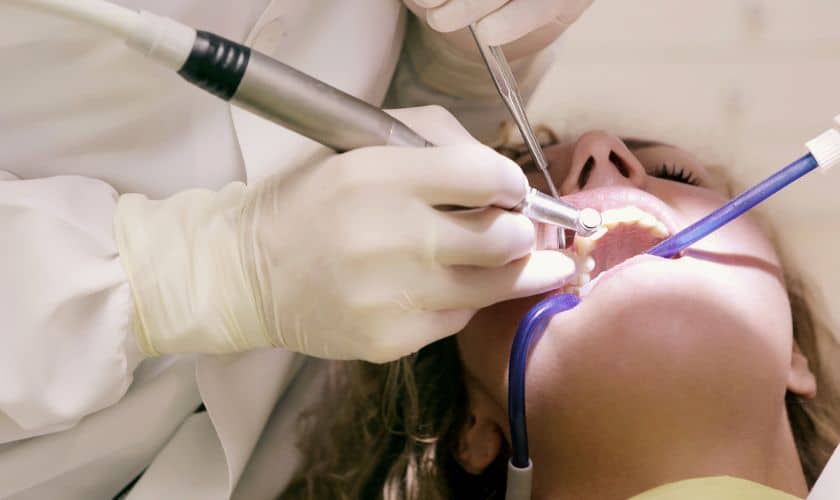
Root canal procedures are typically done in three steps. First, the dentist numbs the area around the affected tooth using a local anesthetic. Next, they create an opening in the top of the tooth to access the pulp chamber and root canals.
Using specialized tools called files, the dentist then carefully removes all of the infected or damaged tissue from inside these canals. They may also use antimicrobial solutions to clean out any remaining bacteria and reduce your risk of infection.
Once all of this is complete, your dentist will fill each canal with gutta-percha (a rubber-like material) and seal off the opening with a temporary filling until you receive a permanent crown.
The final step is often getting that permanent dental crown put on so that your teeth look as good as new! Overall a root canal procedure is relatively straightforward and pain-free when compared to living with ongoing tooth pain caused by infection or damage!
How Long Does It Take To Recover From A Root Canal Procedure?
After undergoing a root canal procedure, patients often wonder how long it will take to recover. The answer depends on several factors, such as the severity of the infection and the individual’s overall health.
In most cases, patients experience some discomfort or sensitivity in the treated tooth for a few days after the procedure. This is normal and can typically be managed with over-the-counter pain medications.
Swelling or bruising around the affected area may also occur but should subside within a week or two. Applying an ice pack to the area can help reduce inflammation and alleviate any discomfort.
It’s important to avoid chewing hard or crunchy foods on the treated tooth until your dentist gives you clearance to do so. Stick to soft foods like soup, yogurt, and mashed potatoes during this time.
Recovery from a root canal procedure usually takes about one to two weeks. However, every patient is different and may require more time depending on their unique circumstances.
If you experience severe pain or swelling after your root canal procedure or if you have any concerns about your recovery process, don’t hesitate to contact your dentist for guidance.
The Bottom Line
A root canal procedure may sound intimidating, but it is a common dental treatment that can save your tooth and alleviate pain. The recovery time varies from person to person, but on average, patients can expect to fully recover within a week or two with proper care.
It’s important to follow your dentist’s post-treatment instructions carefully and attend any necessary follow-up appointments. Avoiding hard or chewy foods and practicing good oral hygiene habits will also aid in the recovery process.
Remember that prevention is always the best course of action when it comes to dental health. Regular check-ups and cleanings can help identify potential issues before they become more serious problems requiring extensive treatment like a root canal.
If you are experiencing tooth pain or have concerns about your dental health, don’t hesitate to schedule an appointment with your dentist. With their expertise and care, you’ll be on the road to recovery in no time!