
So, you’re thinking about dental implants. Good for you! They’re a fantastic option for replacing missing teeth. But, before you dive headfirst into the world of titanium screws and bone grafts, there’s a burning question on everyone’s mind: How long do these things actually last?
Let’s be honest, dental implants are an investment. You want to know if it’s a worthwhile one. So, let’s get to the bottom of this together.
The Longevity Legend
You’ve probably heard whispers of dental implants lasting a lifetime. While it’s true that they’re designed to be a long-term solution, let’s temper expectations a bit. It’s like buying a car; with proper care, it can last for years, but accidents happen, and parts wear out.
The Numbers Don’t Lie
According to the American Academy of Implant Dentistry (AAID), the success rate for dental implants is incredibly high. Studies have shown that:
- 95% of implants are successful after 5 years.
- 93% are successful after 10 years.
That’s pretty impressive! But remember, these are averages. Individual results can vary based on several factors.
The Crown: The Pretty Face that Needs a Little TLC
The crown, the visible part of the implant, is what mimics your natural tooth. While the implant itself is quite durable, the crown is subject to wear and tear.
- Crown lifespan: Typically, crowns last around 10 to 15 years. But remember, this is an average. With good oral hygiene and regular check-ups, your crown can potentially last much longer.
- Replaceable: The good news is, crowns are relatively easy and affordable to replace. So, while you might need a new one every decade or so, it’s not a major ordeal.
Factors Affecting Implant Lifespan
Several things can influence how long your dental implants last:
- Oral hygiene: Just like your natural teeth, implants need regular brushing, flossing, and professional cleanings. Neglect can lead to gum disease and implant failure.
- Bone density: Strong jawbone is essential for implant stability. People with osteoporosis or other bone-related conditions may be at higher risk for implant failure.
- Smoking: Smoking significantly increases the risk of implant failure. Nicotine restricts blood flow, hindering the healing process and making you more susceptible to infection.
- Grinding or clenching: These habits can put excessive stress on your implants, leading to premature wear and tear.
- Regular dental check-ups: Seeing your qualified dentist in Magnolia for routine exams and cleanings is crucial for early detection of any potential issues.
The Implant Components
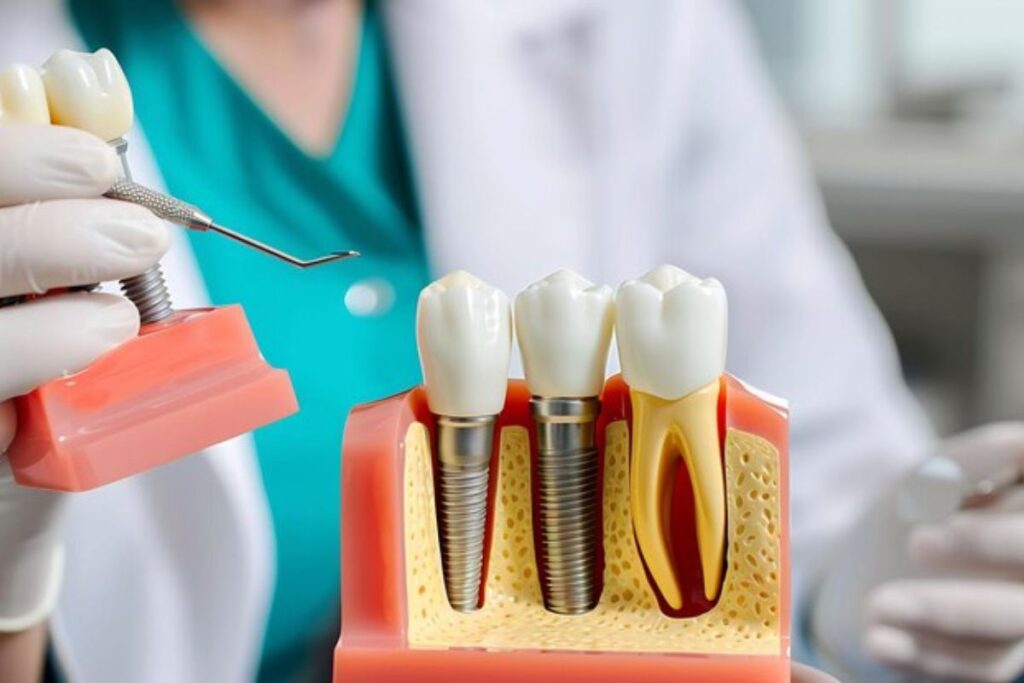
It’s important to understand that dental implants consist of three main parts:
- The implant: This is the titanium screw that replaces the tooth root and fuses with the jawbone. With proper care, it can last a lifetime.
- The abutment: This small connector piece attaches the implant to the crown. It may need to be replaced over time.
- The crown: This is the visible part of the implant that looks like a tooth. Crowns typically last 10-15 years before needing replacement due to wear and tear.
Can You Increase the Lifespan of Your Implants?
Absolutely! Here are some tips:
- Practice excellent oral hygiene: Make brushing, flossing, and regular dental check-ups a priority.
- Avoid bad habits: Quit smoking and try to manage stress to reduce grinding and clenching.
- Protect your implants: Wear a mouthguard if you play sports or grind your teeth.
- Choose a qualified dentist: Experienced implant dentist in Magnolia can make a significant difference in the success of your treatment.
While there’s no guarantee that your dental implants will last forever, with proper care, they can significantly improve your quality of life for many years to come.
Remember, this information is general in nature and doesn’t replace professional dental advice. Always consult with your dentist to determine if dental implants are right for you and to discuss your specific situation.