

You need to maintain good oral hygiene because it is crucial for your overall health. However, many people still overlook it until it’s too late. Neglecting daily care can lead to severe issues like cavities, gum disease, and even tooth loss. Sadly, oral health problems are widespread, affecting people of all ages and backgrounds. For example, in Magnolia, TX, many people struggle with dental hygiene, often overlooking the importance of consistent brushing and flossing.
This blog will dive into the most common examples of poor oral hygiene and the consequences of neglect. Learn why maintaining good oral hygiene with general dentistry is essential and how to improve your practices for better dental health.
Understanding Poor Oral Hygiene
Oral hygiene involves more than just maintaining a bright smile. It’s about preventing dental issues that can lead to more serious health concerns down the road. Poor oral hygiene is the result of not properly cleaning your teeth and gums, leading to a buildup of plaque, bacteria, and tartar. Over time, this can damage your gums and teeth, resulting in painful and costly conditions. So, what exactly does poor oral hygiene look like?
Common Examples of Bad Oral Hygiene Habits
Here are some common habits that can affect your oral hygiene:
Infrequent Brushing
One of the most obvious signs of poor oral hygiene is not brushing your teeth often enough. Brushing twice a day is essential to remove plaque and food particles. Failing to do so can lead to the accumulation of bacteria, which can cause cavities and gum disease.
Neglecting Flossing
Flossing is crucial for removing debris and plaque between teeth where toothbrushes can’t reach. However, many people neglect this practice. Skipping flossing even once can leave bacteria in between your teeth, leading to gum problems and decay.
Using an Old Toothbrush
Your toothbrush is essential for preventing dental problems. Over time, toothbrush bristles deteriorate and lose their effectiveness. Using a toothbrush for too long can result in ineffective cleaning, allowing plaque to stay on your teeth.
Diet High in Sugars and Acids
Your diet greatly influences your dental health. Diets rich in sugar and acidic foods can cause your teeth to weaken, increasing the risk of decay. Sugary snacks feed harmful bacteria in your mouth, while acids can erode enamel.
Ignoring Regular Dental Visits
Even with good at-home oral care, regular dental check-ups are necessary to spot potential issues early. Skipping dental visits can lead to undiagnosed cavities, gum disease, and other conditions that could have been prevented..
Worried that your daily dental routine isn’t enough to keep your teeth truly healthy? Learn expert tips and practical strategies to take your oral care to the next level here.
Ready for a Healthier Smile? Schedule Your Visit Today!
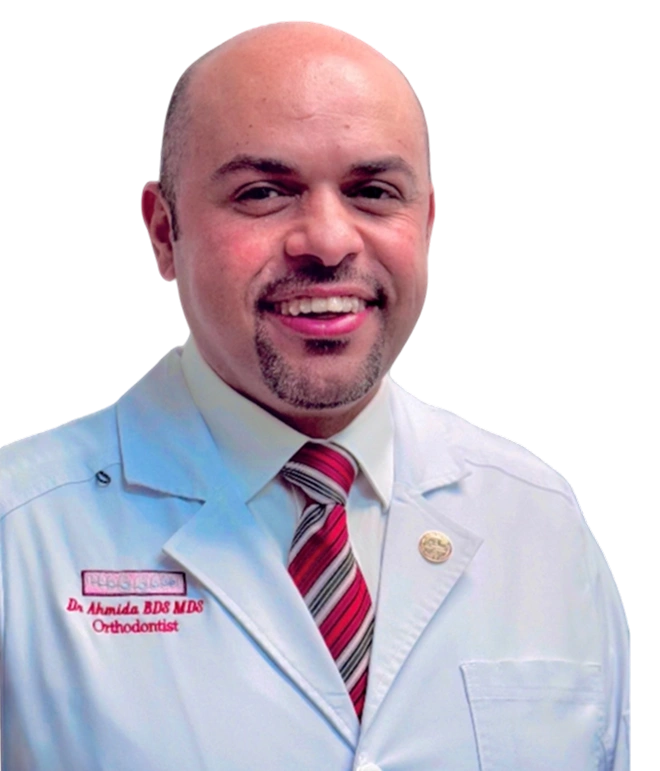
Thanks for taking a moment to learn more about how our team at Magnolia Family Dental is dedicated to keeping your smile healthy and bright! We hope you feel more confident about your dental care next time you visit our dental office. So why wait? Dr. Ahmad Ahmida, along with his compassionate team, love helping patients achieve their best smiles, so let’s get started!
Consequences of Poor Oral Hygiene
Failing to maintain good dental hygiene can lead to serious consequences, affecting not just your teeth but your overall health. Let’s look at what can happen if you don’t take care of your teeth and gums.
Cavities
Cavities are one of the most common results of poor oral hygiene. When plaque forms on your teeth and isn’t removed, it hardens into tartar, which can cause tooth decay.
Gum Disease
Poor brushing and flossing habits can lead to gingivitis, an early stage of gum disease. If untreated, it can progress to periodontitis, which can result in tooth loss and damage to the jawbone.
Bad Breath
Persistent bad breath, or halitosis, is often a result of poor oral hygiene. The bacteria that grow in your mouth due to infrequent brushing and flossing can emit unpleasant odors.
Tooth Loss
One of the most severe consequences of neglecting your oral hygiene is tooth loss. Untreated cavities, gum disease, and infections can lead to the loss of teeth. Keeping up with brushing, flossing, and regular check-ups can help you keep your teeth for a lifetime.
I’m new to the area and this is my first visit here. Got deep cleaning, a cavity filled, and crown work. The dentist and all the staff were very friendly, took their time, and answered all my questions. We discussed fully the x-rays and photographs they took so I’d understand what they thought I needed to have done and why. They also provided a clear work plan and cost estimate so I had all the information needed to decide if I wanted to proceed. The work took a couple hours but I was never just waiting around. The work was done efficiently without feeling like it was being rushed. And they always gave me breaks when needed during the work. Getting dental work is never “fun”, but they made it as comfortable as possible and I was quite happy with my choice to come here. – Eric H
Don’t just take our word for it—see what our happy patients are saying in their Google reviews ✩✩✩✩✩ and experience the difference for yourself.
Improving Your Oral Hygiene Practices
It’s never too late to start improving your oral hygiene. With consistent effort, you can prevent the most common dental problems. Here’s how to start:
Establish a Brushing Routine
Brush your teeth twice a day, once in the morning and once before bed. This helps remove plaque and prevent buildup. Use fluoride toothpaste and a soft-bristle toothbrush to avoid damaging your enamel.
Don’t Forget to Floss
Flossing at least once a day is essential for keeping your gums and teeth healthy. This removes plaque and debris from hard-to-reach areas, reducing the risk of gum disease.
Replace Your Toothbrush Regularly
To ensure your toothbrush is doing its job, replace it every three months. If you notice the bristles are frayed before that, go ahead and swap it out sooner.
Make Healthy Dietary Choices
Cut back on sugary snacks and drinks, and focus on foods that are good for your teeth, such as fruits, vegetables, and dairy. Drinking plenty of water during the day also helps rinse away food particles.
Schedule Regular Dental Check-Ups
Visit your dentist for regular cleanings and exams. Professional cleanings remove plaque and tartar that brushing alone can’t. Regular visits also help catch any dental issues early, so they don’t become bigger problems.
Protect Your Oral Health with Our General Dentistry
Taking care of your dental wellbeing through regular general dentistry is essential for keeping your smile bright and healthy. Poor oral hygiene can lead to a variety of dental issues, including cavities, gum disease, and tooth loss. By establishing healthy habits like regular brushing, flossing, and making dietary changes, you can avoid these problems and keep your mouth in optimal condition.
Don’t wait for dental issues to arise; schedule your appointment with Magnolia Family Dental and Orthodontics today. Maintaining good oral hygiene with general dentistry is the best way to get on the path to better dental health.
FAQs
Q: How often should I replace my toothbrush?
A: You should replace your toothbrush every three months or sooner if the bristles become frayed.
Q: Is flossing really necessary?
A: Yes! Flossing removes plaque and food particles between teeth that your toothbrush can’t reach, helping to prevent gum disease and cavities.
Q: Can my diet affect my oral health?
A: Absolutely. A diet high in sugar and acidic foods can lead to tooth decay and enamel erosion. Healthy eating supports good oral health.
Q: What are the first signs of gum disease?
A: Swollen, red gums that bleed when brushing or flossing are early signs of gum disease.