
Blog Summary:
This blog explains why a root canal may sometimes need to be redone, the most common causes of root canal failure, warning signs to watch for, and what the retreatment process involves. It also covers the benefits of timely retreatment, aftercare tips, and answers frequently asked questions to help Magnolia residents protect their oral health and avoid ongoing dental pain.
If you’ve already had a root canal treatment and are still experiencing discomfort, you may be wondering whether the procedure needs to be repeated. The thought of undergoing another treatment can be daunting, especially if you thought your dental issues were behind you. Many people in Magnolia, TX, and the surrounding areas experience similar concerns. Whether you’re sipping coffee at The Magnolia Café or strolling through Historic Downtown Magnolia, your daily routine shouldn’t be interrupted by dental pain. Understanding the reasons why a root canal may need to be redone is essential for maintaining good oral health.
As residents enjoy a vibrant mix of outdoor activities and local events, such as those at Unity Park or Lake Livingston, oral issues can often feel like a roadblock. Whether you’re hiking or attending a local festival, the last thing you want is to be sidelined by recurring tooth pain. In this blog, we’ll explore why nerve treatments sometimes need to be redone and what you can do to prevent it from happening.
Ready to Get Your Smile Back on Track? Schedule Your Consultation Today!
Thank you for reading about why a root canal may need retreatment and how timely care can protect your oral health. At Magnolia Family Dental and Orthodontics, we provide compassionate, comprehensive dental care for patients of all ages, including advanced root canal retreatment.
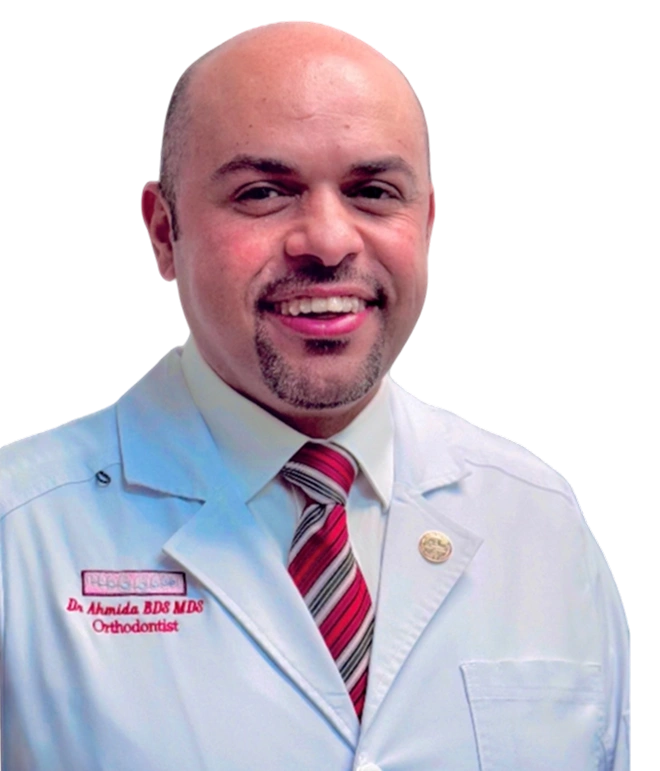
Our practice is led by Dr. Ahmad Ahmida, a board-certified dentist in Magnolia who is committed to personalized, evidence-based care. Using modern technology and a patient-first approach, Dr. Ahmida and our team focus on delivering comfortable treatment and long-lasting results.
If you are experiencing ongoing tooth discomfort, our friendly team is here to help. Schedule your consultation today and take the first step toward a healthier, pain-free smile.
Schedule your appointment online now!
Why Root Canal Treatments May Fail?
Dental pulp removal is highly effective, but sometimes, it doesn’t fully resolve the issue. Here’s why you might need advanced root canal retreatment for patients:
1. Incomplete Cleaning of the Root Cana
The primary goal of the procedure is to remove infection from the tooth’s interior. However, in some cases, the root canal system may have been inadequately cleaned, leaving behind bacteria. This can lead to an ongoing infection, requiring retreatment to thoroughly clean the canal.
If you’ve recently enjoyed a meal at Smashburger or grabbed a coffee at The Magnolia Café, it’s essential to be mindful of how leftover bacteria can re-enter your tooth. If untreated, this could require another procedure.
2. New Infection After the Original Treatment
In some cases, an infection may reoccur even after successful treatment. This happens if the tooth’s seal is compromised or if bacteria re-enter the root canal. It’s crucial to maintain proper dental care, even after treatment, to avoid the need for a second round of treatment.
3. Cracked Tooth or Failed Filling
A cracked tooth or a failure in the original sealing can expose the treated area to new infection. A tooth with a crack is more likely to become reinfected, necessitating retreatment to restore the tooth’s integrity and prevent further damage.
Signs That Your Root Canal May Need Retreatment
Knowing the warning signs of dental pulp removal failure can help you take action early. If you experience any of the following symptoms, you may need retreatment:
- Persistent or recurring pain or swelling
- Sensitivity to hot or cold temperatures
- Tenderness when chewing or touching the tooth
- Discoloration of the tooth
In Magnolia, where the weather can vary from hot summers to cooler winters, it’s essential to monitor changes in sensitivity as temperature fluctuations can worsen symptoms.
First time visit-Everyone I encountered from the front desk to the dentist was very sweet, caring and knowledgeable. Everyone seemed to work well with each and their office flows nicely. They made it very simple explaining my treatment plan and gave me options that had very reasonable prices. I appreciate their care and would definitely recommend. – K Hoffman
Your trust matters. Discover real patient experiences through our Google Reviews!
The Advanced Root Canal Retreatment Process
The advanced root canal retreatment for patients involves carefully reopening the tooth, removing the old filling, and thoroughly cleaning the root canals. This step ensures that all infection is cleared, removing the original filling, and thoroughly cleaning. Your dentist will examine the area to ensure all infection is removed before resealing it. The process may take multiple visits to restore the tooth to full health.
If you’re in Magnolia, a skilled oral care provider will use advanced techniques to ensure your treatment is effective. The goal is to remove any bacteria and prevent future infections, allowing you to continue enjoying activities in the community’s scenic outdoor spots without dental issues holding you back.
Why You Should Consider Root Canal Retreatment?
Retreatment may sound like a hassle, but it is the best way to save your tooth in the long term. Without retreatment, untreated infection or damage can lead to more severe issues, potentially resulting in tooth loss. With a retreatment, your tooth can be restored to health, avoiding further complications.
A cosmetic dentist can help in whitening severely stained teeth caused by an infected or untreated tooth. This ensures not only that your tooth is functional but also aesthetically pleasing, helping you smile with confidence.
Experiencing ongoing tooth pain but unsure whether it’s time to act? Learn more about the ideal time for root canal therapy and when early treatment can help prevent complications.
Taking Care Of Your Teeth After Root Canal Retreatment
If you’re experiencing discomfort or suspect that your endodontic treatment has failed, seeking root canal retreatment is the best course of action. Our trained dentist in Magnolia, TX, can thoroughly evaluate your case, remove any infection, and restore your tooth to health. With proper aftercare, you can enjoy a pain-free, healthy smile.
Don’t let an unresolved tooth issue disrupt your daily life. Contact us at Magnolia Family Dental and Orthodontics today for a consultation and ensure your tooth is treated correctly. Whether you’re enjoying a meal at Crave Café or relaxing with friends at Lake Livingston, maintaining healthy teeth is key to fully enjoying your Magnolia lifestyle.
Frequently Asked Questions (FAQs)
1. Can a root canal-treated tooth still get infected later?
Yes, a previously treated tooth can develop a new infection if bacteria re-enter the canals or if fillings fail. Retreatment can remove the infection and reseal the tooth for long-term health.
2. How do I know if I need endodontic retreatment?
Signs include persistent pain, swelling, or tenderness years after treatment, indicating incomplete healing or reinfection. Your dentist will assess with clinical exams and imaging to confirm the need for retreatment.
3. Is a second root canal procedure more complicated?
Retreatment can be more complex due to existing fillings or restorations and may require advanced imaging to identify hidden canal anatomy. Specialized techniques help resolve lingering infections successfully.
4. Will retreatment always save my tooth?
While retreatment improves chances when the original treatment fails, outcomes depend on infection severity, anatomy, and tooth structure. Your dentist will evaluate whether retreatment or alternative care is best.
5. What happens if I ignore symptoms after a root canal?
Ignoring signs like pain or sensitivity can allow infection to spread, potentially affecting adjacent teeth and underlying bone. Treatment sooner rather than later helps preserve oral health and prevent further complications.