
Have you ever dreamt of a picture-perfect smile? If so, you’re not alone! According to the American Association of Orthodontists, over 4 million people in the United States currently undergo orthodontic treatment, and adults make up a whopping 25% of those patients. That’s right, a straighter smile isn’t just for teenagers anymore. But with so many advancements in the field of orthodontics, navigating the various treatment options can feel overwhelming.
Worry not, fellow smile-enthusiasts! This blog delves into the exciting world of orthodontic treatments, exploring the different types available and helping you understand which one might be the perfect fit for your journey towards a dazzling smile.
Fixed Braces: The Time-Tested Champions
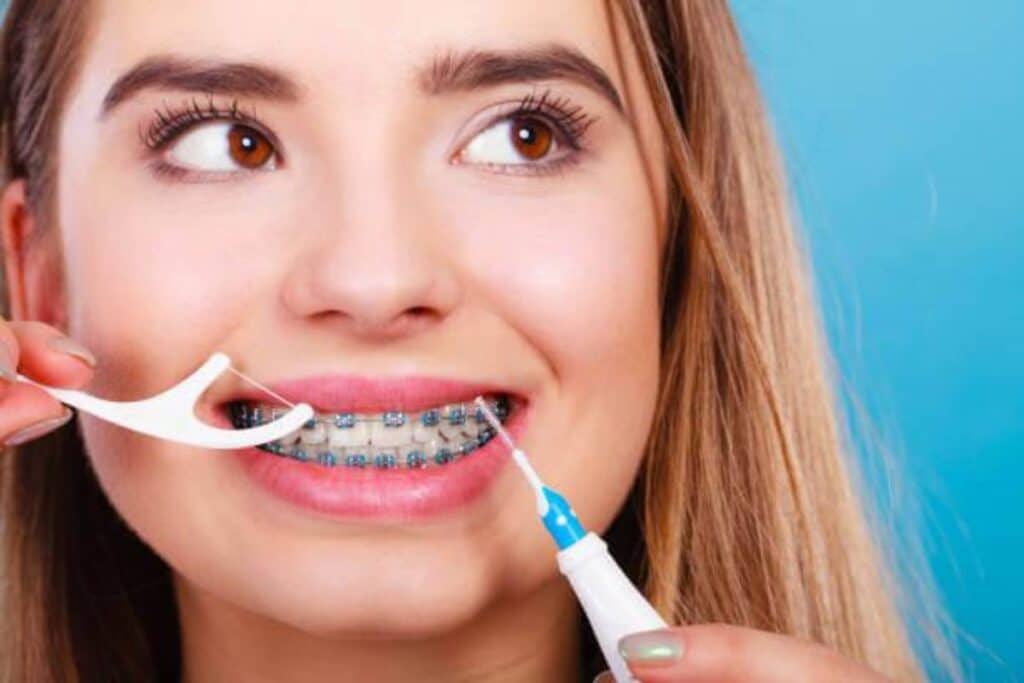
For many, traditional metal braces conjure up images of middle school hallways. However, these trusty warriors remain a highly effective solution for various orthodontic issues. They consist of brackets bonded to each tooth and connected by a metal wire that gently guides your teeth into their desired positions.
Modern metal braces are far from the bulky contraptions of the past. They come in smaller sizes and offer a range of color options for customization. Plus, advancements have led to improved comfort and shorter treatment times.
Ceramic Braces: A Discreet Choice
Looking for a less noticeable option? Ceramic braces might be your answer. These braces function similarly to metal braces, but the brackets are made of tooth-colored ceramic, making them less conspicuous, especially for those with lighter teeth. While slightly more expensive than metal braces, they provide a more discreet approach to straightening your smile.
Self-Ligating Braces: Innovation Meets Efficiency
Self-ligating braces are a modern twist on the traditional design. They eliminate the need for elastic bands to hold the archwire in place, utilizing tiny clips instead. This innovation offers several benefits:
- Reduced friction: Less friction between the wire and the braces translates to potentially shorter treatment times and less discomfort during adjustments.
- Improved hygiene: The lack of elastics makes cleaning your teeth easier, promoting better oral health throughout treatment.
- More comfortable adjustments: Visits for adjustments might become quicker and less intrusive since there are no elastics to remove and replace.
Clear Aligners: The Invisible Revolution
In recent years, clear aligners like Invisalign® have taken the orthodontic world by storm. These nearly invisible, removable trays gradually shift your teeth into place without the need for brackets and wires. This makes them a popular choice for adults seeking a more discreet treatment option.
Here are some key things to consider with clear aligners:
- Discipline is key: Unlike braces, the success of clear aligners relies heavily on patient compliance. You’ll need to wear the aligners consistently for at least 22 hours a day to achieve optimal results.
- Not suitable for all cases: Clear aligners might not be effective for complex orthodontic issues. An orthodontist can assess your specific needs and determine if this approach is suitable.
Beyond Braces: Exploring Other Treatment Options
While braces and aligners are the most common orthodontic treatments, there are other options available for specific situations.
- Functional Appliances: These removable appliances are often used for younger patients (ages 6-10) to guide jaw growth and development, potentially creating a more favorable environment for future orthodontic treatment with braces or aligners.
- Headgear: This may be used in conjunction with braces to address specific orthodontic needs, such as correcting bite problems or protruding teeth.
- Orthodontic Surgery: In severe cases of jaw misalignment, a combination of orthodontic treatment and jaw surgery might be recommended by an oral and maxillofacial surgeon in collaboration with an orthodontist.
Choosing the Right Treatment: It’s All About You
With so many options available, selecting the best treatment for your individual needs is crucial. Here’s what to keep in mind:
- Severity of your orthodontic issue: The complexity of your case will influence which treatment approach is most effective.
- Your lifestyle and preferences: Consider factors like comfort, discretion, and the level of commitment you can dedicate to treatment.
- Cost: Orthodontic treatment can vary depending on the complexity of your case, treatment duration, and the chosen method. Dental insurance might offer some coverage, so be sure to check with your provider.
The Importance of Consulting an Orthodontist:
No matter which treatment option seems most appealing to you, it’s vital to schedule a consultation with a qualified dentist in Magnolia. They possess the expertise to assess your specific needs, recommend the most suitable treatment plan, and answer any questions you may have.
So, the next time you dream of a straighter smile, remember that you have options! With the help of an orthodontist, you can navigate the exciting world of orthodontic treatment and unlock the confidence that comes with a healthy, beautiful smile.