
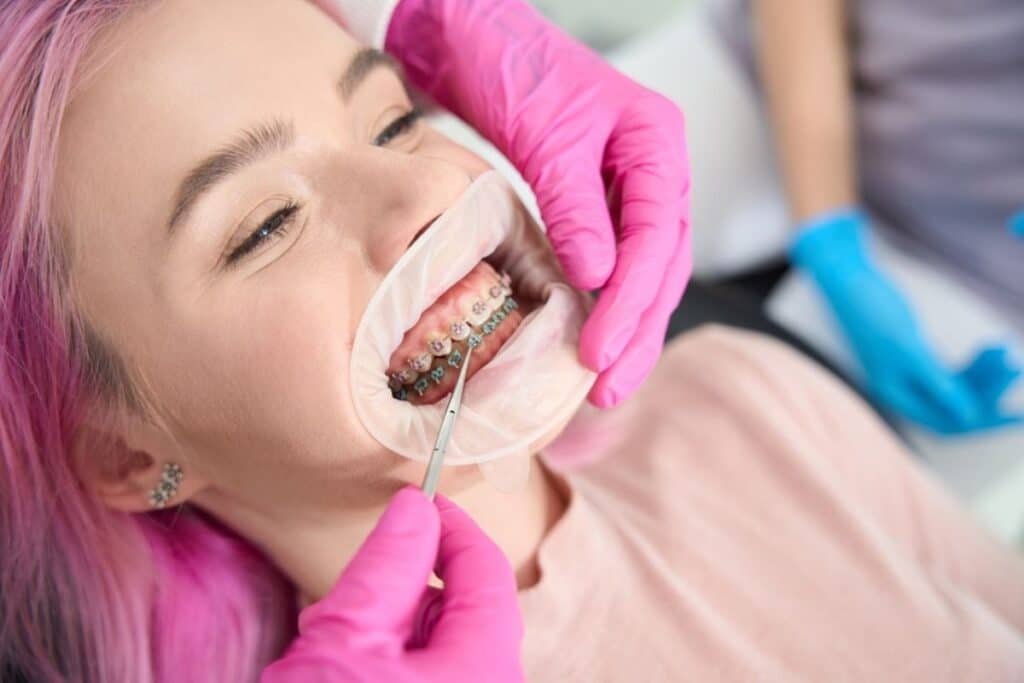
Ever looked in the mirror and wondered, “Is my bite really normal?” You’re not alone! Let’s face it: our smiles are front and center, impacting everything from our confidence to our oral health. But what happens when things aren’t perfectly aligned? We’re talking overbites, underbites, and the dreaded crowded teeth. Ready to dive into the world of orthodontics? Grab a comfy seat, and let’s get started!
Understanding the Alignment Issues
First, let’s break down these common orthodontic concerns:
- Overbite: This occurs when the upper front teeth significantly overlap the lower front teeth. According to the American Association of Orthodontists (AAO), overbites are among the most common malocclusions. A study published in the “American Journal of Orthodontics and Dentofacial Orthopedics” indicated that overbites are present in a significant portion of the population seeking orthodontic treatment.
- Underbite: Conversely, an underbite happens when the lower front teeth protrude past the upper front teeth. This can cause chewing and speech difficulties.
- Crowded Teeth: When there isn’t enough space in the jaw for all the teeth to erupt properly, they become crowded, overlapping, or rotated. This not only affects aesthetics but also makes it harder to clean teeth, increasing the risk of cavities and gum disease.
Why Fix These Issues?
It’s not just about a pretty smile. Misaligned teeth can lead to:
- Difficulty Chewing: Improper bites can make it challenging to eat comfortably.
- Speech Impediments: Certain malocclusions can affect pronunciation.
- Temporomandibular Joint (TMJ) Disorders: Misalignment can strain the jaw joint, leading to pain and discomfort.
- Increased Risk of Dental Problems: Crowded teeth are harder to clean, contributing to cavities and gum disease.
- Aesthetic Concerns: Many people feel self-conscious about misaligned teeth.
Orthodontic Solutions: From Braces to Aligners
Thankfully, modern orthodontics offers a range of solutions:
- Traditional Braces: These are still a reliable and effective option, especially for complex cases. Metal braces have come a long way, and ceramic braces offer a more discreet alternative.
- Clear Aligners (e.g., Invisalign): These custom-made, removable aligners are popular among adults seeking a more aesthetic treatment. According to Invisalign’s data, millions of people worldwide have used their system to straighten their teeth. The growth of clear aligners has been exponential in the last decade.
- Orthodontic Appliances: In some cases, appliances like palatal expanders or headgear may be necessary to correct jaw alignment.
- Surgical Orthodontics: For severe cases, especially involving significant jaw discrepancies, surgical orthodontics may be required in conjunction with braces or aligners.
The Importance of Early Intervention
The AAO recommends that children have their first orthodontic evaluation by age 7. Early detection and intervention can prevent more severe problems later on. Early treatment can take advantage of the fact that a child’s bones are still growing.
Finding the Right Orthodontist
Choosing a qualified dentist in Magnolia is crucial. Look for a board-certified orthodontist with experience treating various malocclusions. Don’t hesitate to ask questions about their treatment approach and experience.
Investing in Your Smile
While orthodontic treatment in Magnolia can be an investment, the long-term benefits are invaluable. A healthy, straight smile can boost your confidence and improve your overall quality of life.
Conclusion
Whether you’re dealing with an overbite, underbite, or crowded teeth, there are effective solutions available. Don’t let misaligned teeth hold you back. Take the first step towards a healthier, more confident smile by consulting with an orthodontist today.