
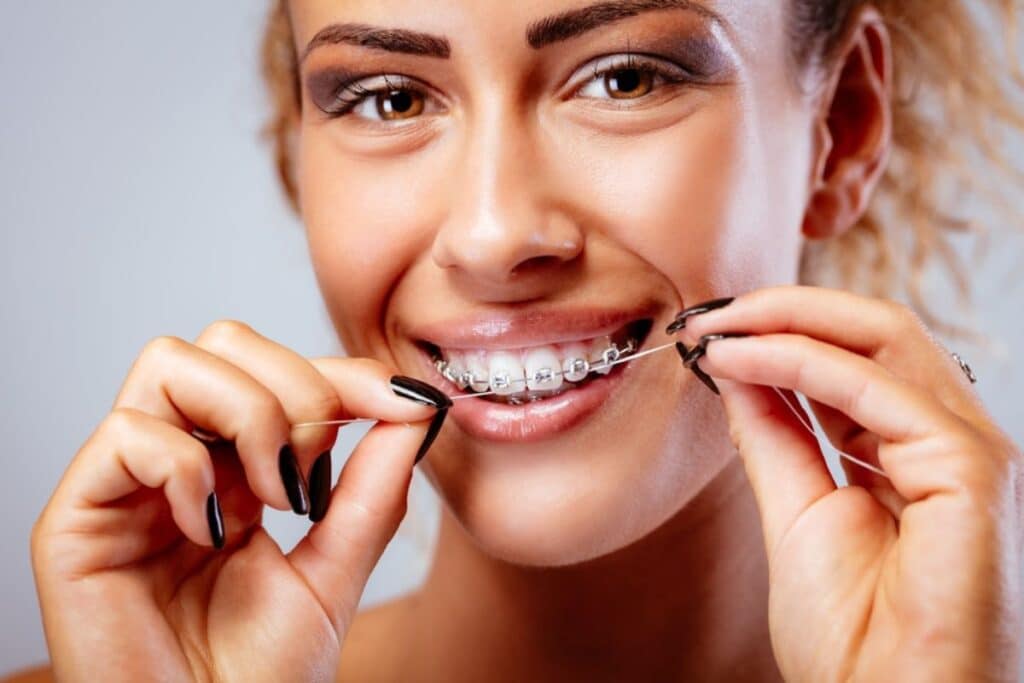
Hey there, smile seeker! Ever wonder how some folks achieve those dazzling, straight teeth without ever going under the knife? It’s pretty amazing, right? Well, you’ve landed in the right place! We’re about to dive into the fascinating world of orthodontics and uncover the secrets behind those incredible smile transformations – all without surgery. Get ready to have your perceptions adjusted (pun intended!) as we explore the power of braces, aligners, and other clever techniques. Let’s get started!
The Magic of Movement: How Orthodontics Works
Orthodontists are like the architects of your smile. They specialize in diagnosing, preventing, and treating irregularities of the teeth and jaws. But how do they shift those pearly whites into perfect alignment without surgical intervention? The key lies in understanding the biology of your mouth.
Your teeth aren’t rigidly fixed in your jawbone. Instead, they’re held in place by ligaments that allow for slight movement over time. Orthodontic treatments leverage this natural process by applying gentle, controlled forces to your teeth. This pressure stimulates the bone around the teeth to remodel, allowing the teeth to gradually shift into their desired positions.
Think of it like gently guiding a sapling to grow straight. Consistent, gentle pressure over time yields remarkable results.
The Arsenal of Alignment: Non-Surgical Orthodontic Treatments
Orthodontists have a variety of powerful tools at their disposal to transform smiles non-surgically:
- Traditional Braces: These are the classic metal or ceramic brackets bonded to your teeth and connected by wires. Adjustments by the orthodontist periodically tighten these wires, applying the necessary pressure to move your teeth. According to the American Association of Orthodontists (AAO), braces are a highly effective treatment for a wide range of orthodontic issues. A 2021 survey by the AAO found that approximately 69% of orthodontic patients in the United States were treated with traditional braces.
- Clear Aligners: These virtually invisible, custom-made plastic trays fit snugly over your teeth and gradually shift them into place. Aligners have gained significant popularity, with the same AAO survey indicating that around 31% of patients opted for this treatment modality. Their discreet nature and removability for eating and brushing make them an appealing option for many adults and teens.
- Other Appliances: Beyond braces and aligners, orthodontists utilize various other appliances like:
- Palatal Expanders: These devices gently widen the upper jaw to create more space.
- Retainers: Crucial for maintaining the achieved alignment after active treatment, retainers prevent teeth from shifting back to their original positions. The AAO emphasizes that consistent retainer wear is essential for long-term success.
- Space Maintainers: Used when a baby tooth is lost prematurely, these devices hold the space open for the permanent tooth to erupt correctly.
More Than Just Straight Teeth: The Benefits
It’s easy to think orthodontics is purely cosmetic, but the benefits extend far beyond aesthetics. Misaligned teeth can lead to various oral health problems, including:
- Improved Oral Hygiene: Properly aligned teeth are easier to brush and floss, reducing the risk of cavities and gum disease. The National Institute of Dental and Craniofacial Research (NIDCR) highlights the link between malocclusion (misaligned teeth) and increased risk of periodontal disease.
- Enhanced Chewing and Speech: Correctly aligned teeth improve bite function and can contribute to clearer speech.
- Increased Confidence: A straighter smile can have a significant positive impact on self-esteem and social interactions. A study published in the American Journal of Orthodontics and Dentofacial Orthopedics in 2015 found that orthodontic treatment led to significant improvements in patients’ self-perception.
- Difficulty in cleaning: Crooked teeth can create hard-to-reach spots, increasing the risk of cavities and gum disease. The National Institute of Dental and Craniofacial Research (NIDCR) emphasizes the link between proper alignment and effective oral hygiene.
- Bite problems (malocclusion): An improper bite can cause jaw pain, headaches, and even temporomandibular joint disorders (TMJ). Orthodontic treatment can correct these issues, improving comfort and function.
- Increased wear and tear: When teeth don’t meet correctly, some teeth may bear excessive force, leading to chipping, cracking, or enamel erosion.
By addressing these underlying issues, orthodontics contributes significantly to long-term oral health. A study in the American Journal of Orthodontics and Dentofacial Orthopedics found that orthodontic treatment can lead to a 70% reduction in the risk of developing periodontal disease in previously misaligned teeth.
The Takeaway
Transforming smiles without surgery is not just a possibility; it’s the reality for millions of people thanks to the advancements in orthodontic techniques. Through the strategic application of gentle forces using braces, aligners, and other appliances, orthodontists can orchestrate remarkable changes to your teeth and bite. So, if you’ve been dreaming of a straighter, healthier smile, remember that the journey doesn’t necessarily involve a surgical route. Consult with a qualified dentist in Magnolia to explore the non-surgical options available and unlock the potential of your smile!